No Experience in the Trades? Here's What You Actually Need to Start
You do not need years of construction experience to start learning a skilled trade. Whether you are coming straight out of high school, leaving the military, or changing careers, HVAC, electrical, and plumbing can all start with the same thing: a willingness to learn.
At Tradecraft Schools in San Antonio, students can begin with no previous professional trade experience and complete 240 clock hours of focused training in just six weeks. With more than 70% of the program spent hands-on, students build practical skills in the lab while learning the tools, safety practices, and fundamentals of their chosen trade. The goal is not to arrive knowing everything. It is to leave with a foundation you can continue building in the field.
You Don't Need Experience. You Need a Starting Point.
One of the biggest misconceptions about trade school is that students should already know how to wire a circuit, diagnose an air conditioner, or install plumbing before they enroll. That is exactly what training is for. A strong trade program should start with the fundamentals and build from there. Students need to understand safety, tools, terminology, and how basic systems work before moving into more technical installation, service, and troubleshooting.
At Tradecraft, students begin with jobsite fundamentals and hands-on instruction. That gives beginners the opportunity to ask questions, practice unfamiliar skills, and become more comfortable using tools before they are expected to perform those skills in the field. For someone starting with no experience, that structure matters. Instead of trying to piece together information from videos, online forums, or whatever someone happens to show you on a jobsite, you get a defined place to begin.
Learning a Trade Means Learning by Doing
HVAC, electrical, and plumbing are not careers you can fully learn by reading about them. At some point, you have to pick up the tools. That is why hands-on training should be one of the biggest things you look for when choosing a school. A program can teach you what a component is or show you how a system works on a diagram, but confidence comes from actually practicing the work.
Tradecraft students spend more than 70% of their program in hands-on training. That gives beginners time to work through new skills, ask questions, make corrections, and repeat processes until they become more familiar. No one walks into the first day knowing exactly what to do. Learning a trade means practicing, understanding what went wrong, and improving the next time. That is how technical skills begin to develop.
Starting HVAC With No Previous Experience
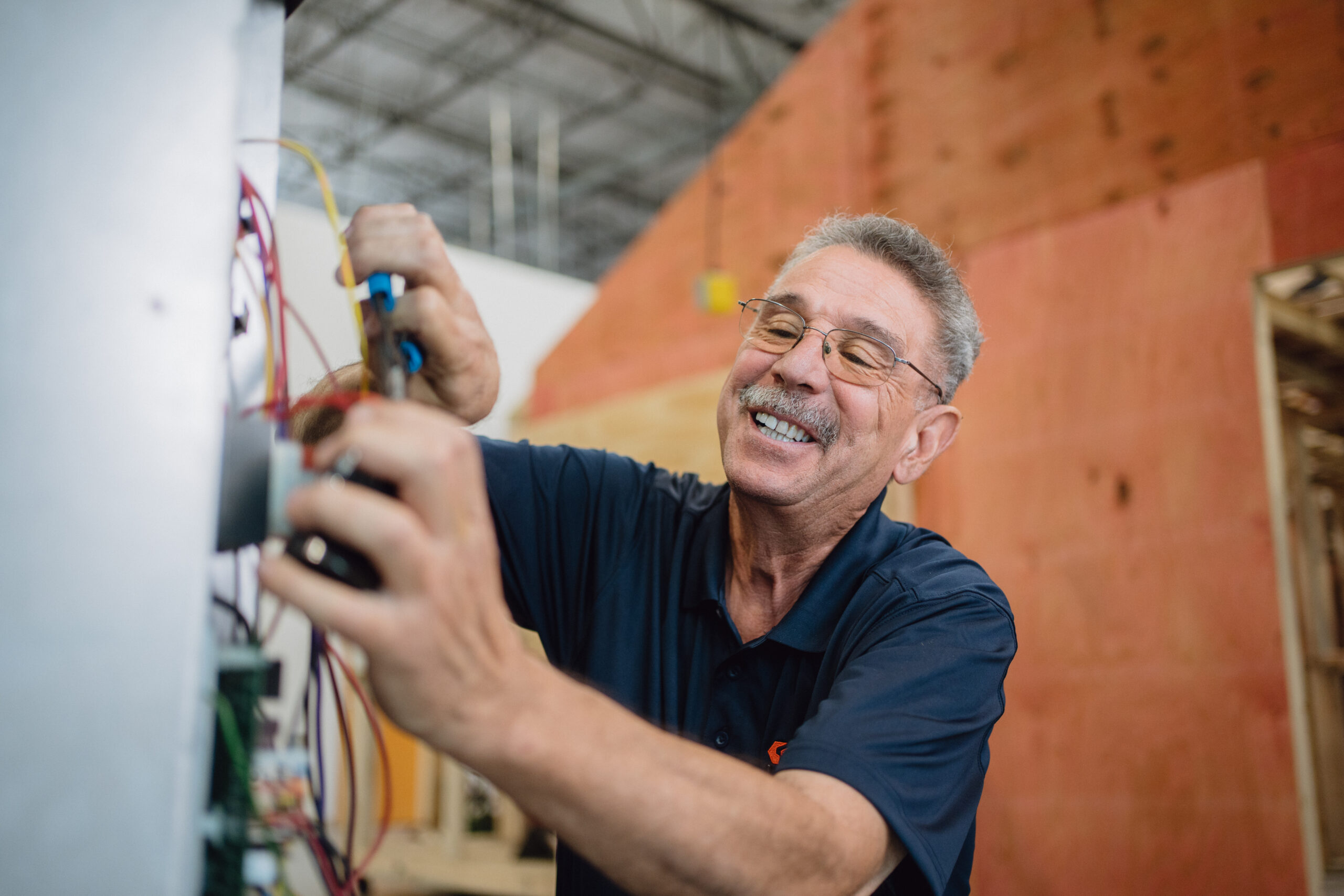
If you are interested in HVAC, you do not need to know how to repair an air conditioner before enrolling. A quality HVAC school should introduce the trade from the ground up. That includes heating and cooling systems, refrigeration, airflow, electrical components, tools, installation, maintenance, and troubleshooting.
HVAC can be a strong fit for people who enjoy figuring out why something is not working. A technician may have to determine whether the problem is mechanical, electrical, airflow-related, or connected to the refrigerant system. That kind of troubleshooting takes practice.
When comparing an HVAC trade school, focus less on what you already know and more on how well the program teaches beginners. At Tradecraft, students can enter the HVAC program without previous professional HVAC experience and spend six focused weeks building a practical foundation they can continue developing in the field.
Starting Electrical Training as a Beginner
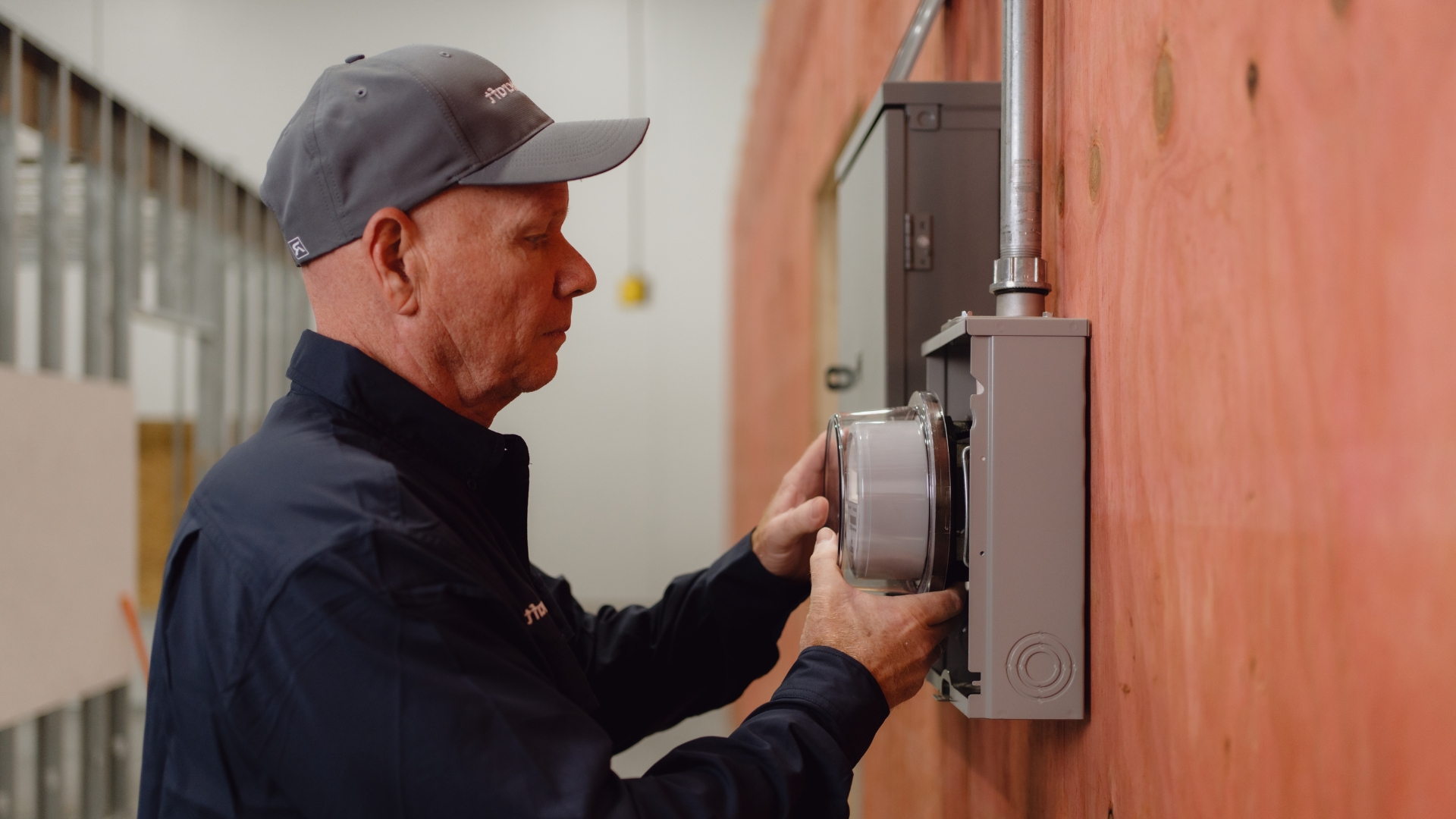
Electrical work can look intimidating from the outside because it is technical, precise, and highly code-driven. But beginners can learn it. A good electrician school should introduce electrical theory, safety, tools, circuits, wiring, and code fundamentals in a structured way. Students should learn how electrical systems work before being expected to perform more advanced tasks.
Hands-on practice is especially important in electrical training. Reading a wiring diagram is not the same as making a connection yourself. Watching someone bend conduit is not the same as learning how to do it.
When comparing an electrician trade school, ask how much time students actually spend practicing the work. A beginner should have room to learn, make corrections, and build confidence under experienced instruction. Tradecraft's electrical program is designed around that progression, giving students a practical introduction to the trade before they continue building experience on the job.
Starting Plumbing Without Experience
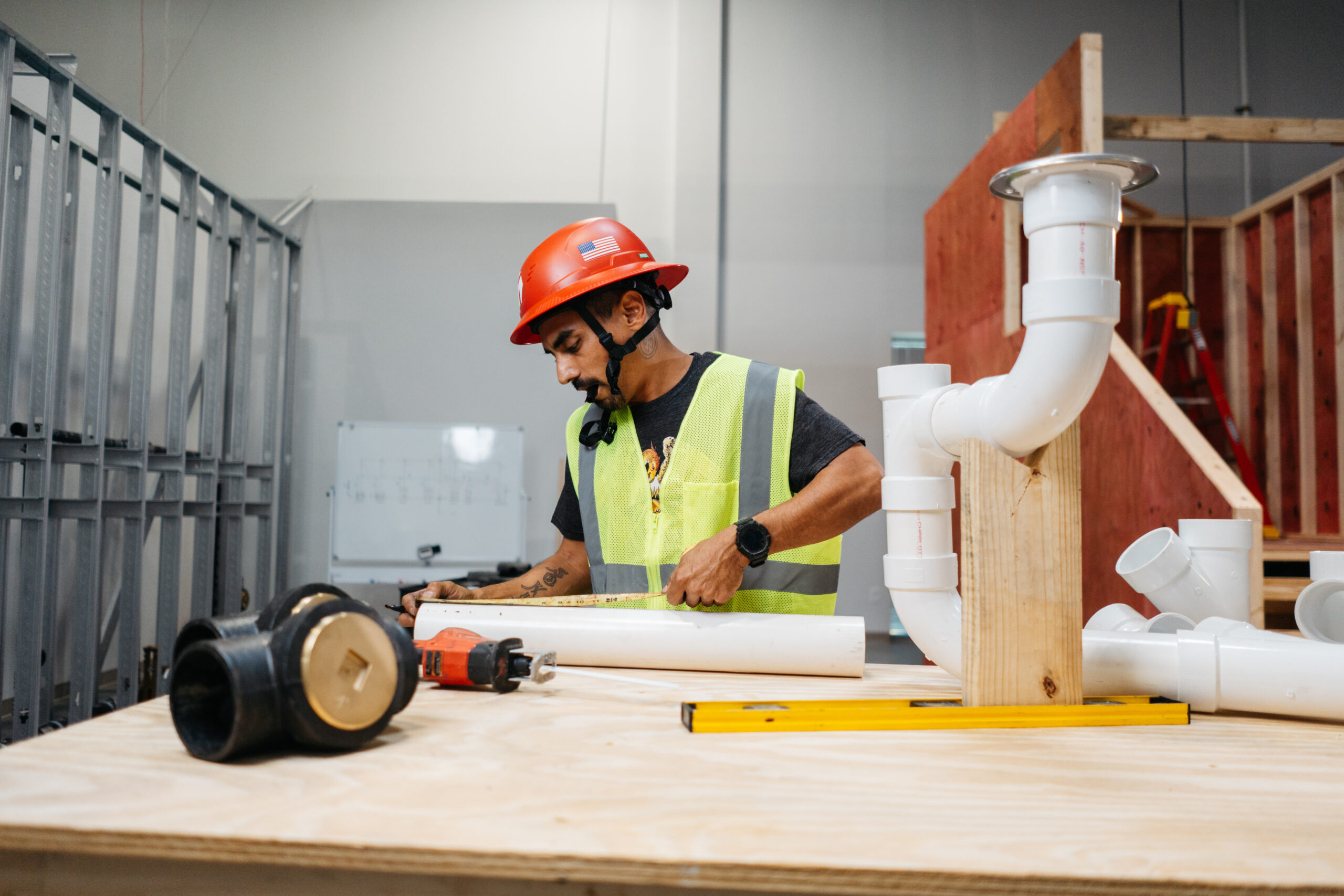
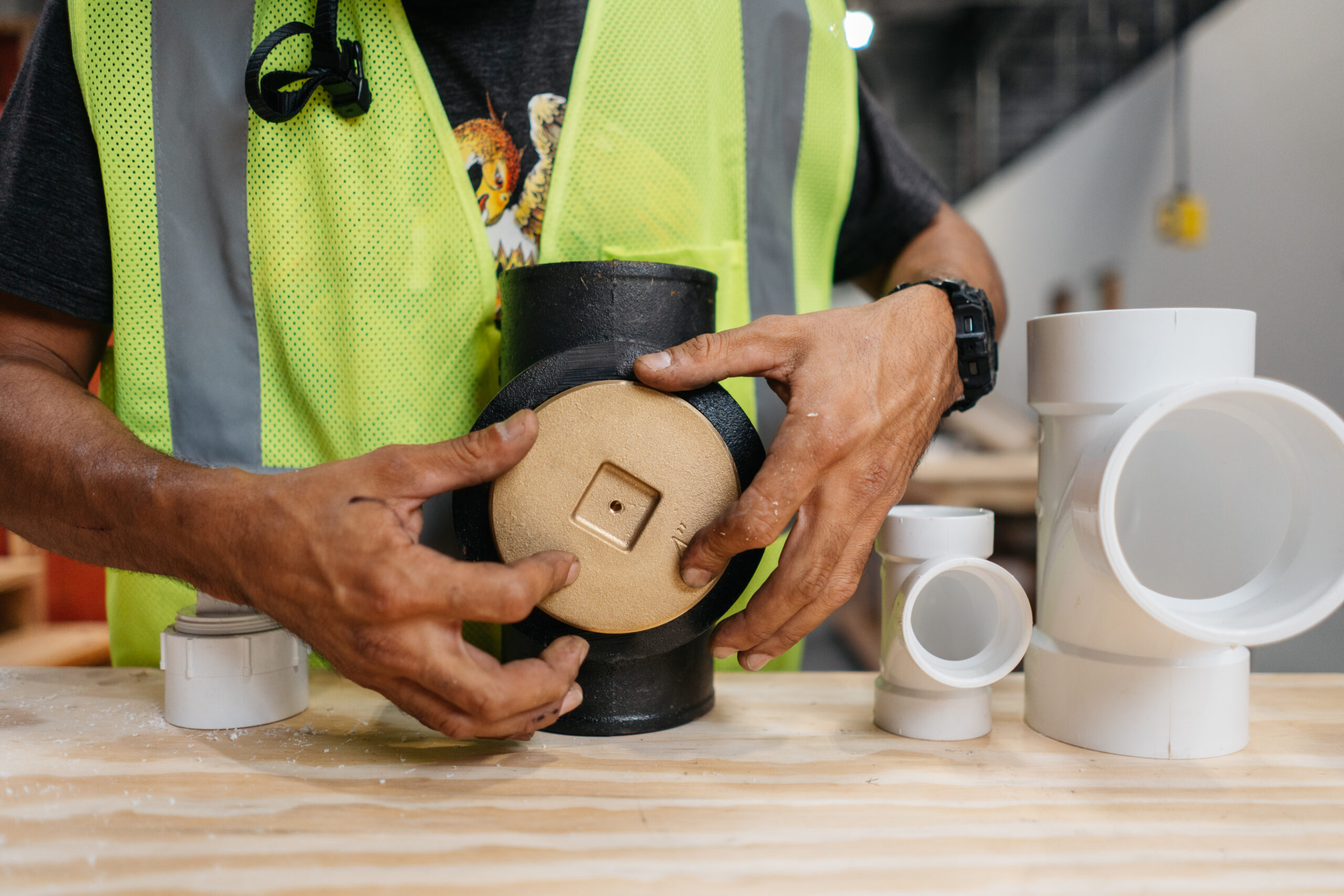
The same is true for plumbing. You do not need construction experience before you begin learning how plumbing systems work. A beginner can start with tools, materials, water supply, drainage, venting, fittings, fixtures, and other fundamentals before moving into more advanced applications.
If you are searching for a plumbing school near me, look beyond location. Pay attention to how much actual plumbing students perform during training and whether they are working with the materials and systems they may encounter in the field. Tradecraft's plumbing program is built around that hands-on practice.
Becoming an experienced plumber takes time and real-world experience, but that experience has to start somewhere. Trade school gives you the foundation. The jobsite gives you the opportunity to keep building on it.
Why Tradecraft's Six-Week Format Works for Beginners
Starting a new career can feel like a major commitment, especially if you are changing industries or entering the workforce for the first time. Tradecraft's programs are designed to make that first step more direct.
HVAC, electrical, and plumbing students complete 240 clock hours of focused training in six weeks, with more than 70% of the program spent hands-on. Classes run Monday through Friday from 7:00 AM to 3:30 PM, giving students a schedule that more closely reflects a typical working day.
The goal is not to turn someone into an expert in six weeks. Experience, additional training, certifications, and licensing continue after graduation depending on the trade and career path. Instead, Tradecraft gives beginners a focused foundation they can take with them as they begin pursuing opportunities in the field.
What Happens After Trade School?
Graduating from trade school is the beginning of the next stage. New HVAC technicians, electrical apprentices, and plumbing apprentices continue developing their skills by working alongside experienced professionals and encountering real jobsites, equipment, and problems. The fundamentals learned during training become stronger through repetition and real-world experience.
Over time, those skills can open the door to different directions within each trade, from installation and service to commercial work, specialized systems, leadership, and other advanced career opportunities. Tradecraft's career-readiness training is designed to help students prepare for that transition, with support around resumes, interviews, professional communication, and taking the next step toward employment.
What Employers Want From Someone New to the Trades
When you are just starting out, employers do not expect you to know everything. What matters is whether you have a solid foundation, understand basic safety, can use tools responsibly, and are ready to keep learning on the job. That is why hands-on training matters so much for beginners. It gives you the chance to practice technical skills before you are expected to perform them in a real work environment.
Tradecraft's programs are designed to help students build that starting foundation while also developing the habits employers value, including reliability, communication, safety awareness, and the ability to take direction. You may be new to the trade, but you do not have to walk onto your first jobsite completely unprepared.
Ready to Find the Trade That Fits You?
You do not need years of experience to start learning HVAC, electrical, or plumbing. You need the right place to begin. At Tradecraft Schools in San Antonio, students can explore three hands-on trade programs built specifically to help beginners develop practical skills in just six focused weeks.
If you are still deciding which trade fits you, come see the work for yourself. Tour the HVAC, electrical, and plumbing labs, meet the instructors, and get a better feel for the career path that matches your interests. Schedule a tour at Tradecraft Schools and see what six weeks of hands-on training could look like for you.