Where a trade career actually goes.
Most people can picture the first job. Fewer can picture the tenth year. Here is what the work looks like in all three trades, the roles you can grow into, and where those jobs are in San Antonio.
What all three have in common.
Three different trades, three different daily realities. The reasons they hold up over a career are the same.
- The work happens on site. Every hour of it. That's the clearest protection against offshoring and automation available in the current labor market.
- The demand is structural, not cyclical. Systems fail on their own schedule. Residential, commercial, industrial, and institutional buildings all need the same three trades.
- Licensure creates a ceiling worth climbing. In Texas, electrical and plumbing both run on documented hours toward journeyman and master licenses. Each step raises what you can charge and what you can be responsible for.
- You can end up working for yourself. A large share of trade contractors started as someone else's apprentice. The path from employee to owner is well worn and it doesn't require a business degree.
- You earn while you advance. After the initial training, every step up the ladder happens while you're working, not while you're paying tuition.
How you can become a master HVAC installer
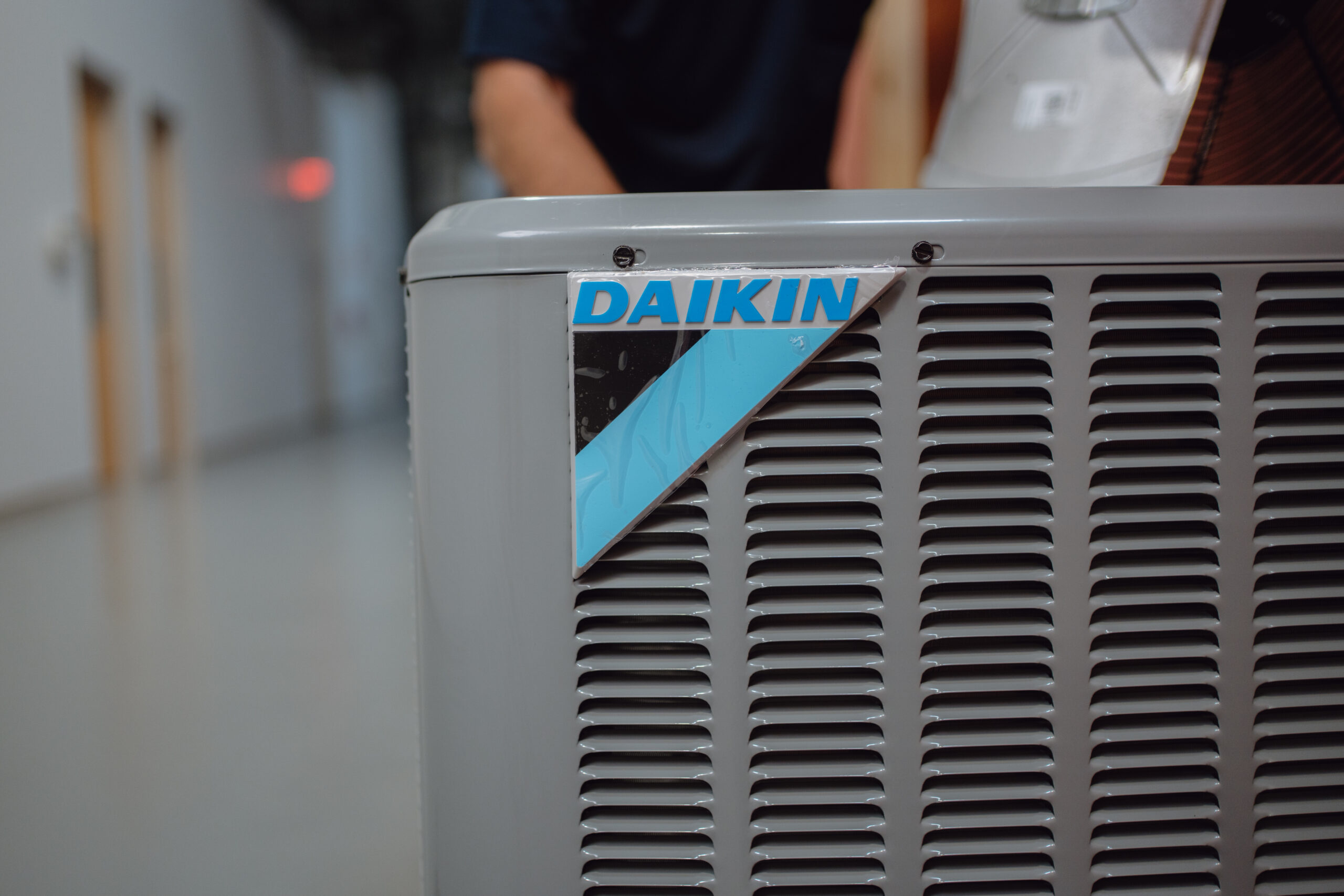
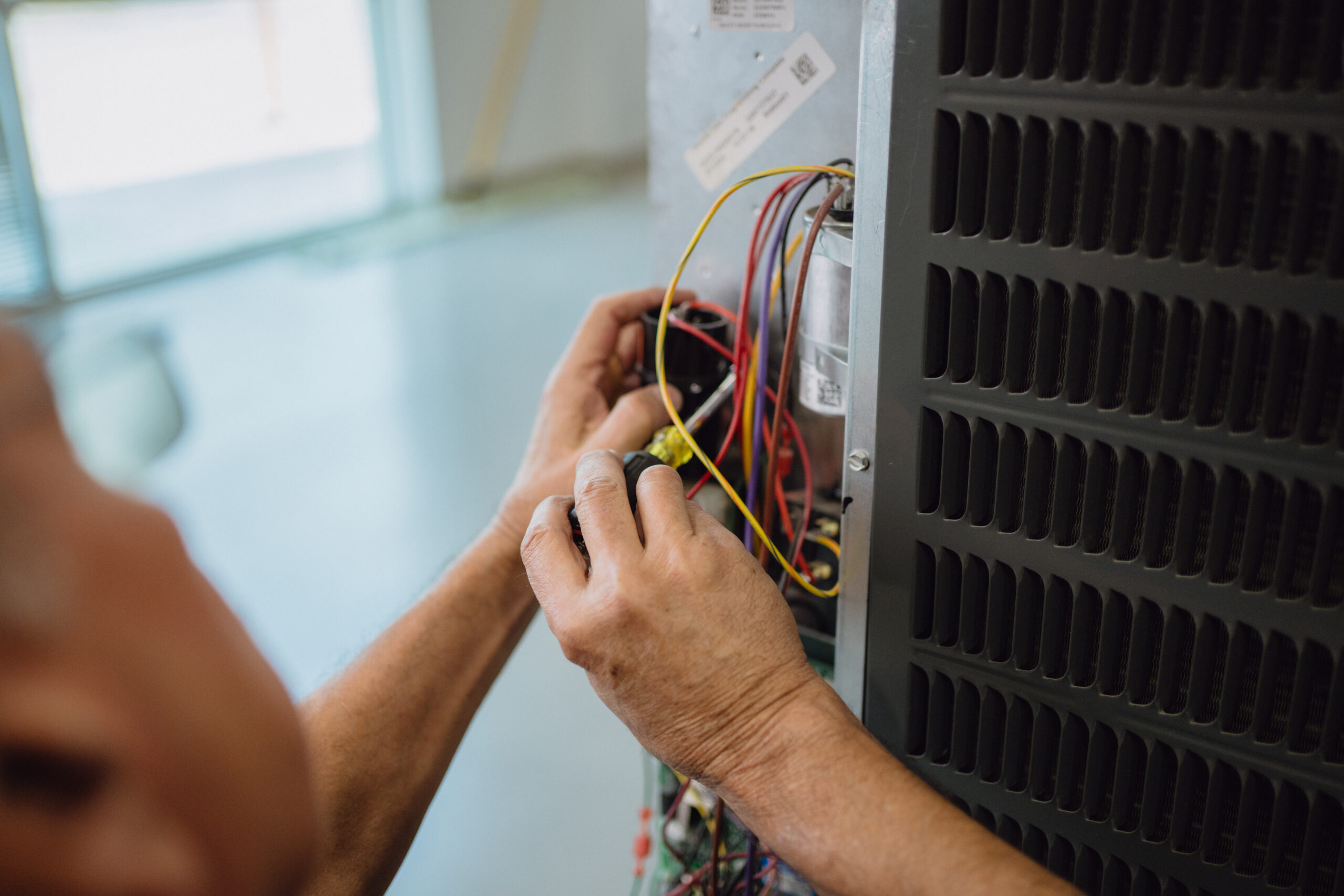
HVAC is a diagnostics trade. New installation work exists and pays, but the steady year-round volume in South Texas is service and troubleshooting: figuring out why a system that used to work no longer does. Technicians work across residential homes, commercial buildings, and refrigeration systems, and the equipment keeps getting more complex rather than less.
- Installer Helper
- Residential Service Technician
- Commercial HVAC Technician
- Refrigeration Technician
- Controls Technician
- Facilities Maintenance Technician
- Lead Technician
- Service Manager
- Estimator
- Contractor
- Business Owner
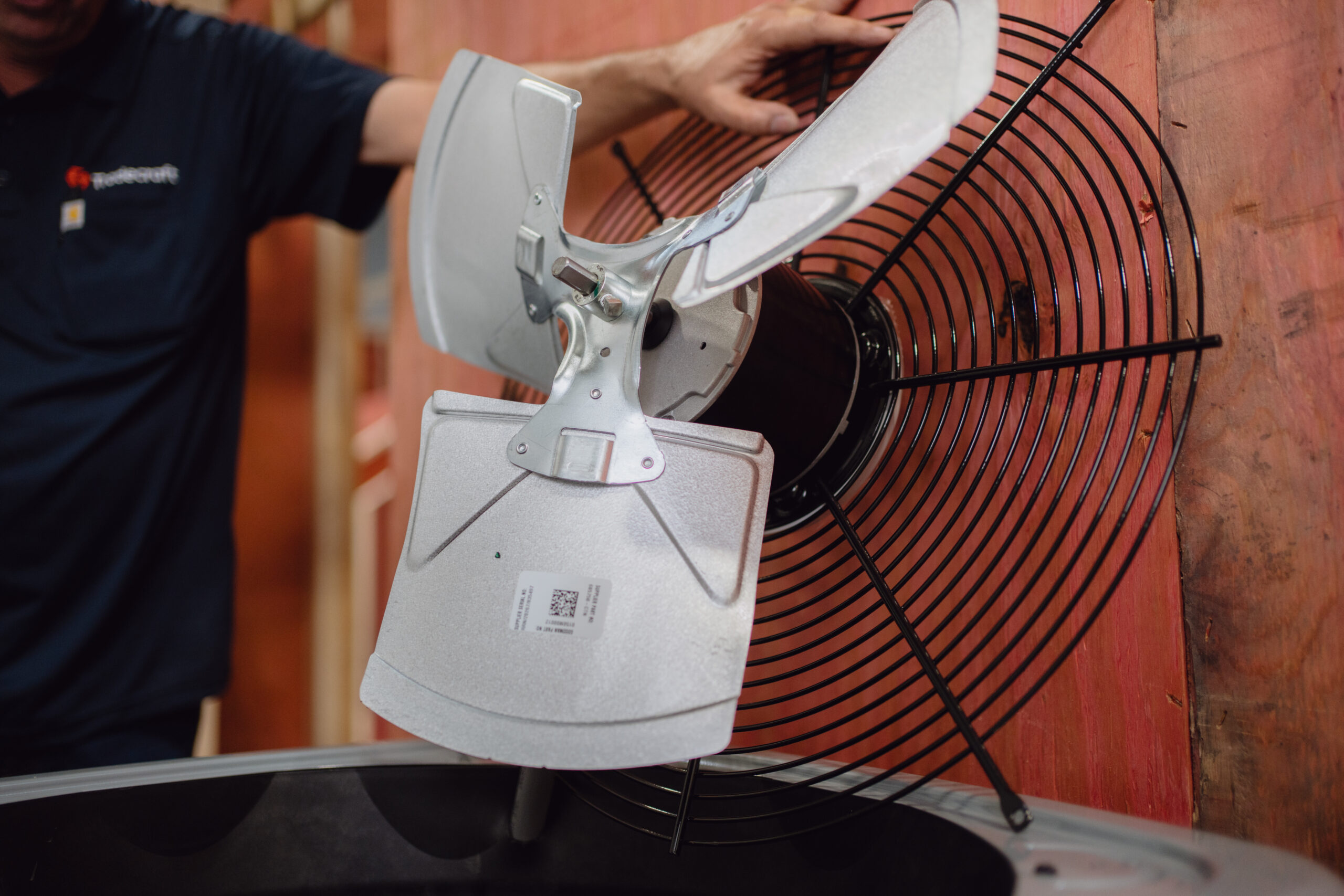
Residential Service
Homes across Alamo Ranch, Converse, Schertz, and the North Side. High call volume, direct customer contact, and the most common entry point into the trade.
Commercial & Institutional
The South Texas Medical Center corridor, downtown buildings, schools, and retail. Rooftop units and larger systems, usually on a crew rather than solo.
Refrigeration & Facilities
Restaurants, grocery, cold storage, and building facilities teams. Specialized, and specialization tends to raise what the work pays.
EPA 608 certification is legally required to handle refrigerants and is included in the Tradecraft HVAC program. Texas does not license individual HVAC technicians the way it licenses electricians and plumbers, but the state does license HVAC contractors through TDLR, which matters if you eventually want to run your own company.
U.S. Bureau of Labor Statistics. Growth and openings are national projections for 2025 through 2035. Median pay is the May 2025 national median for all workers in the occupation and is not representative of entry-level or new graduate earnings.
See the HVAC program →How you can become an electrician
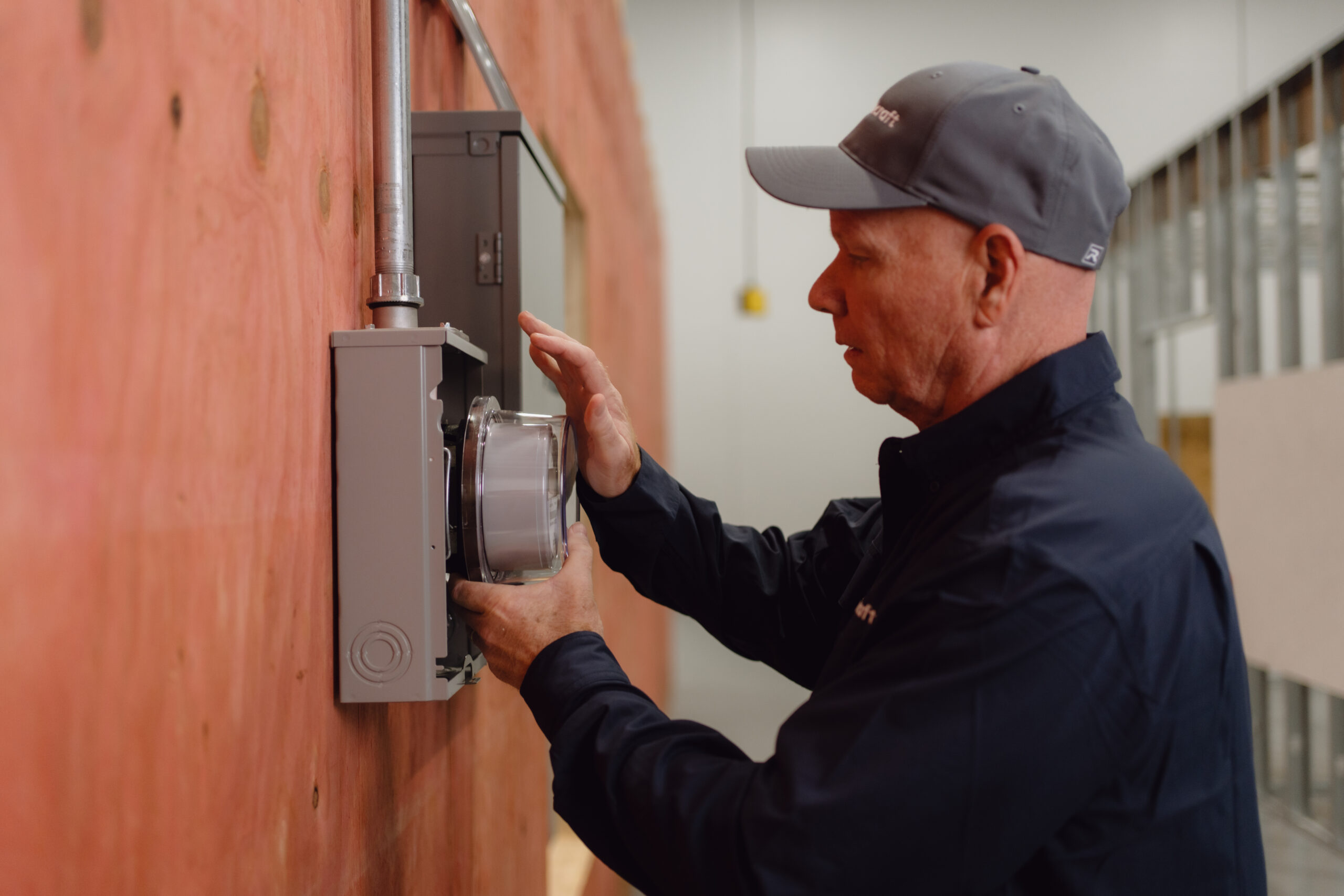
Electrical is the most structured of the three. The work is governed by code, documented, and inspected, which means precision matters as much as speed. It also has the broadest range of environments: the same license opens doors in residential, commercial, industrial, and increasingly in data center and infrastructure work.
- Electrical Helper
- Apprentice Electrician
- Residential Wireman
- Commercial Electrician
- Industrial Electrician
- Low Voltage Technician
- Journeyman Electrician
- Foreman
- Project Manager
- Estimator
- Master Electrician
- Electrical Contractor
Residential & New Construction
Rough-in and trim work on new builds, plus service and panel upgrades on existing homes. Tied directly to the city's residential growth.
Commercial & Industrial
Office, retail, healthcare, and manufacturing facilities. Larger systems, longer projects, and typically higher pay than residential once you have experience.
Infrastructure & Technology
Data center development and building automation are adding demand on top of an already tight electrical workforce in Texas.
Texas licenses electricians through TDLR. The path runs apprentice, then journeyman, then master, and each step requires documented on-the-job hours under supervision plus an exam. Tradecraft's electrical program produces documented clock hours and gets you registered as an apprentice so you start accumulating time immediately.
U.S. Bureau of Labor Statistics. Growth and openings are national projections for 2025 through 2035. Median pay is the May 2025 national median for all workers in the occupation and is not representative of entry-level or new graduate earnings.
See the Electrical program →Plumbing career path.
Plumbing is the most license-protected of the three trades in Texas, which limits how many qualified people are in the market and supports what the work pays over a full career. It's also the trade where the problem usually cannot wait, and work that can't be deferred is work that holds its value.
- Plumber's Helper
- Registered Apprentice
- Residential Service Plumber
- Commercial Plumber
- Pipefitter
- Gas Technician
- Drain & Sewer Technician
- Journeyman Plumber
- Foreman
- Service Manager
- Master Plumber
- Plumbing Contractor
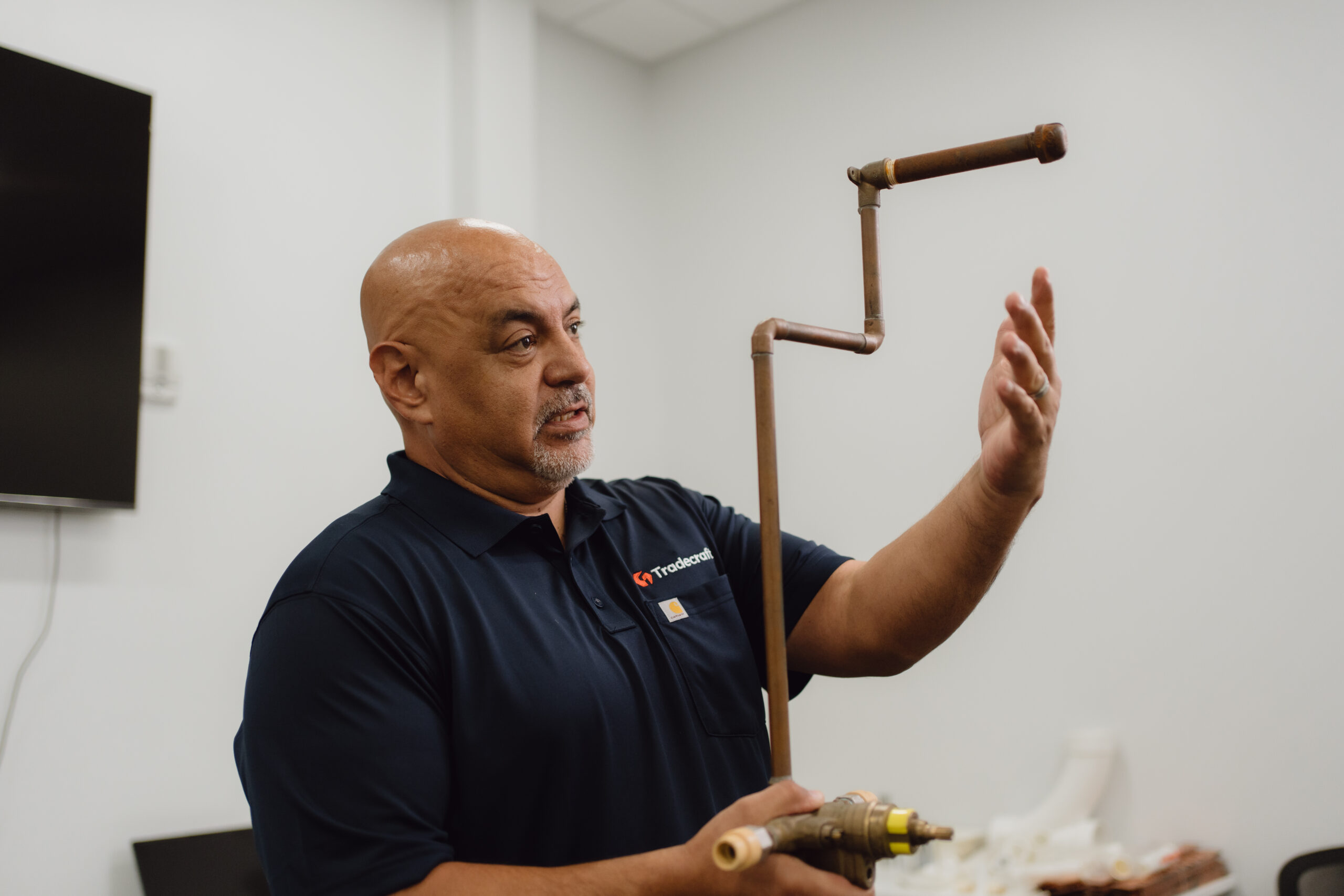
Residential Service
Repairs, replacements, water heaters, and drain work. Steady demand, direct customer contact, and often the fastest route to independent work.
New Construction
Rough-in and top-out on residential and commercial builds. Crew-based, project-driven, tied to the construction cycle.
Commercial & Industrial
Medical facilities, restaurants, schools, and manufacturing. More complex systems, more code scrutiny, and pipefitting work that pays accordingly.
The Texas State Board of Plumbing Examiners licenses plumbers. The path runs registered apprentice, then tradesman or journeyman, then master, with required documented hours and exams at each step. Tradecraft's plumbing program produces documented clock hours toward apprentice registration.
U.S. Bureau of Labor Statistics. Growth and openings are national projections for 2025 through 2035. Median pay is the May 2025 national median for all workers in the occupation and is not representative of entry-level or new graduate earnings.
See the Plumbing program →A real career, six weeks after graduation. No debt required.
If your student just finished high school, you’re probably hearing the same two options: a four-year degree, or “figure it out.” Neither one is fast, and neither one is cheap.
Tradecraft is a third option. Six weeks of hands-on training in HVAC, Electrical, or Plumbing, taught by master-licensed instructors, ending in industry certifications and a job your student can start working immediately.
No prior experience required. No four years of tuition and interest. Just a direct, supervised path from high school into a career that pays $20–$22/hr to start, with a clear track toward running their own crew, or their own business, down the road.
Why Parents Choose Tradecraft
-
✓
$10,500 vs. $80,000+ The full cost of Tradecraft is a fraction of a four-year degree, with financing options that make it accessible without co-signing six figures of debt.
-
✓
Supervised, Structured, Accountable Small cohorts, daily attendance, and instructors who know every student by name. This isn't a student figuring it out alone.
-
✓
A Job Before Most Freshmen Pick A Major Six weeks in, your student has certifications, a skill employers are actively hiring for, and career assistance support helping them get placed.
-
✓
Room To Grow Apprentice to journeyman to master tradesperson to business owner. The ceiling on a skilled trades career is higher than most people realize.
Parents welcome. No commitment.
Who hires tradespeople in San Antonio?
Demand here is spread across several sectors rather than concentrated in one, which is generally a good sign for stability.
Apply Now- Residential contractors. Service companies and new-construction subcontractors across the metro. The most common first employer in all three trades.
- Commercial and mechanical contractors. Larger crews working office, retail, healthcare, and institutional projects.
- Facilities and building maintenance teams. Hospitals, universities, school districts, hotels, and large commercial properties keep in-house maintenance staff.
- Government and military facility contractors. JBSA, Fort Sam Houston, and Lackland maintain large facility footprints through civilian contractors, which creates steady non-seasonal work.
- Industrial and manufacturing. Plant maintenance, process piping, and industrial electrical work.
- Yourself. Once licensed, running your own service operation is a real and common endpoint.
Before You Pick a Trade
"Most people don't realize how fast you can get into the trades."
Reading about three career paths only gets you so far. Watching the work is what usually settles it. Take two minutes to see the San Antonio campus, the lab equipment students train on, and how the 6-week hands-on model actually runs day to day.
Straight answers to common trade career questions
Everything you need to know before you schedule a tour.
Which trade pays the most in San Antonio?
Median wages for HVAC technicians, electricians, and plumbers in the San Antonio metro are close enough that pay alone is a weak reason to pick one over another. According to the U.S. Bureau of Labor Statistics, the metro medians are ~$58,590/yr for HVAC, ~$57,010/yr for electrical, and ~$58,180 for plumbing.
What moves your earnings more than the trade you choose is licensure, specialization, and whether you end up in residential service, commercial construction, or running your own crew.
Do I need prior trade experience to enroll?
No. All three Tradecraft programs are built for students with no prior trade experience. The first week covers safety, tools, and fundamentals before you touch a live system.
What matters more than experience is showing up on time, being willing to work with your hands, and paying attention when someone with thirty years in the field is explaining something.
How long does it take to become an electrician or plumber in Texas?
Both trades follow a licensed path in Texas. You register as an apprentice, log documented field hours under a licensed professional, then sit for a state examination. Requirements are set by the Texas Department of Licensing and Regulation and can change, so confirm current hour requirements directly with TDLR.
A six-week pre-apprenticeship program is the on-ramp. It gives you the safety credentials, the fundamentals, and the documented instruction hours to enter that path prepared rather than starting from zero.
Is a six-week program long enough to get hired?
Entry-level trade roles are structured around learning on the job under supervision. Employers hiring at the helper and apprentice level are looking for safety awareness, tool familiarity, reliability, and enough fundamentals to be useful on a crew. That is exactly what 240 documented hours is designed to deliver.
Career placement assistance is available to graduates. Employment is not guaranteed and depends on the individual student, employer hiring requirements, licensure, and local market conditions.
What certifications do I earn?
All three programs include OSHA 10 construction safety training. The HVAC program additionally prepares students for the EPA Section 608 examination, which is federally required to handle refrigerants. Electrical and plumbing students complete 240 documented hours supporting apprentice registration with TDLR.
How much does trade school cost compared to a degree?
The comparison is not just tuition, it is time. A four-year degree asks for years of tuition plus years of income you are not earning while enrolled. A six-week program asks for six weeks.
Financing options are available and admissions can walk you through current tuition and payment plans on a tour or a call.
Can I switch trades after I start?
Talk to admissions before your cohort begins. Cohort capacity is limited and start dates vary by program, so the sooner you raise it the more options you have.
Are these careers going to be replaced by automation?
The physical work in all three trades happens in occupied buildings, in crawl spaces, in attics, and behind walls. Diagnostic software can assist a technician, but installation, service, and repair are performed on site by hand. These are among the harder occupations to automate or offshore.
Who teaches these programs?
Each program is led by a director who spent a career in the field before teaching it. Our HVAC director has more than fifty years in the trade, our electrical director is a licensed master electrician, and our plumbing director spent more than thirty years on the job.
Where is Tradecraft located?
Tradecraft Schools is at 11603 Crosswinds Way, Suite 135, San Antonio, TX 78233. You can reach admissions at (210) 998-2000 or studenthelp@tradecraftschools.com.
Schedule a tour to see the labs and meet the program director for the trade you are considering.
Why Tradecraft Exists
We saw people spending $80,000 to $100,000 on a four-year degree and not getting results. At the same time, skilled trade jobs were paying $60,000 a year right out of school, and there wasn't a line of people trying to get in.
That gap didn't make sense to us. 500,000 trade jobs sit open right now because there aren't enough skilled people to fill them. So we built a faster way in.
We started in San Antonio on purpose. It's a blue collar town, full of people who are ready to work and want something real. That's who Tradecraft is built for.
Tradecraft is built for people who are ready to work in six weeks. Your entire direction can change.
Tradecraft Schools, Founders
Come see all three before you choose.
Tour the HVAC, electrical, and plumbing labs, meet the instructors, and ask what a first year in each trade actually looks like. No commitment required.