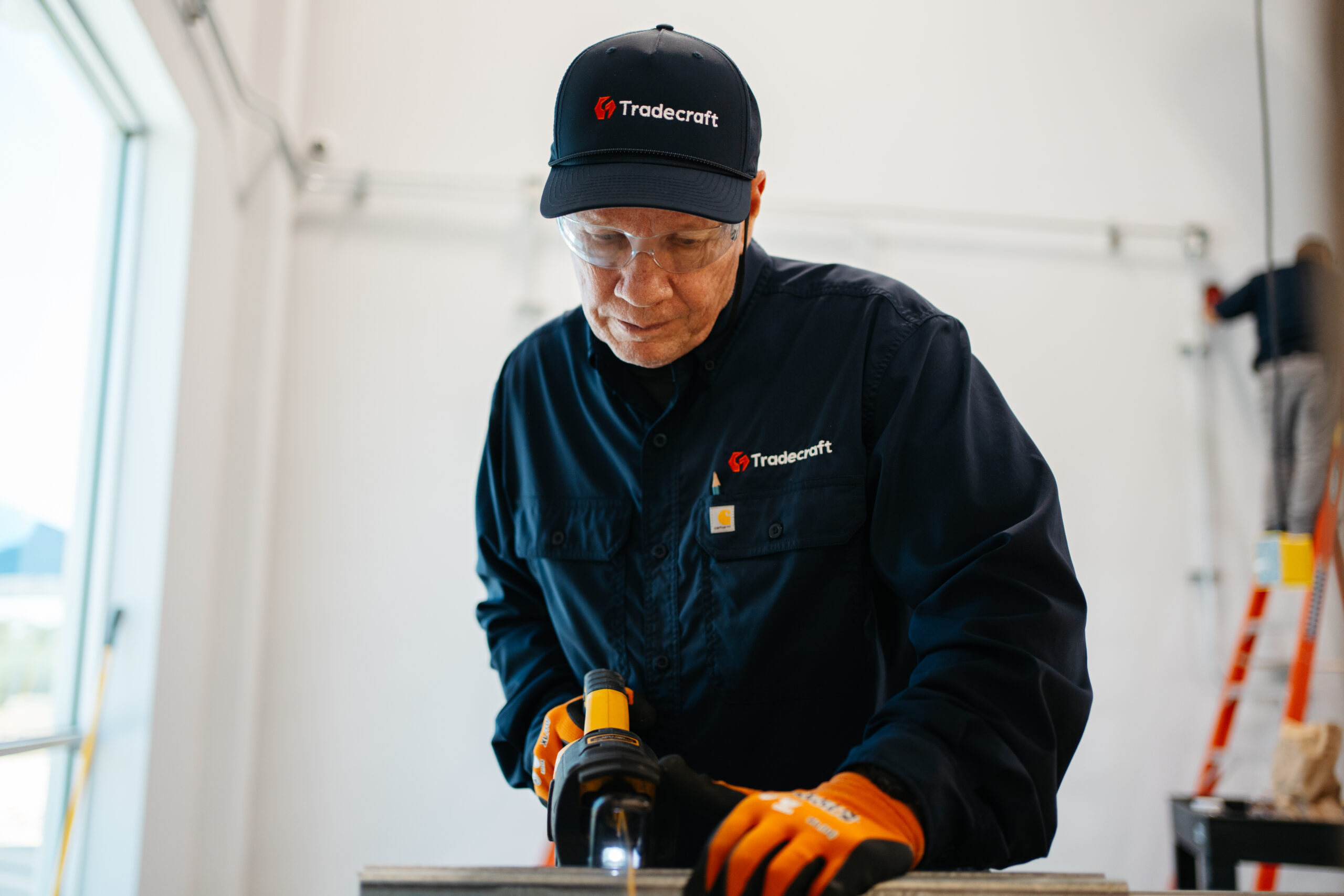
What to Actually Look For in a Trade Program
Most people start their search in the same place. They open a browser, type in the name of a trade, and start comparing schools by whichever one shows up first. That's backwards. Before you compare programs, you need to know which trade you're comparing them for, because HVAC, electrical, and plumbing are three genuinely different careers that happen to share a category.
This guide walks through both halves of the decision. First, how the three trades actually differ in daily work, environment, and licensing path. Second, what separates a program worth your time and money from one that just has a good website. If you're a high school senior, a veteran transitioning out, or someone leaving an industry that stopped making sense, this is the checklist to bring with you.
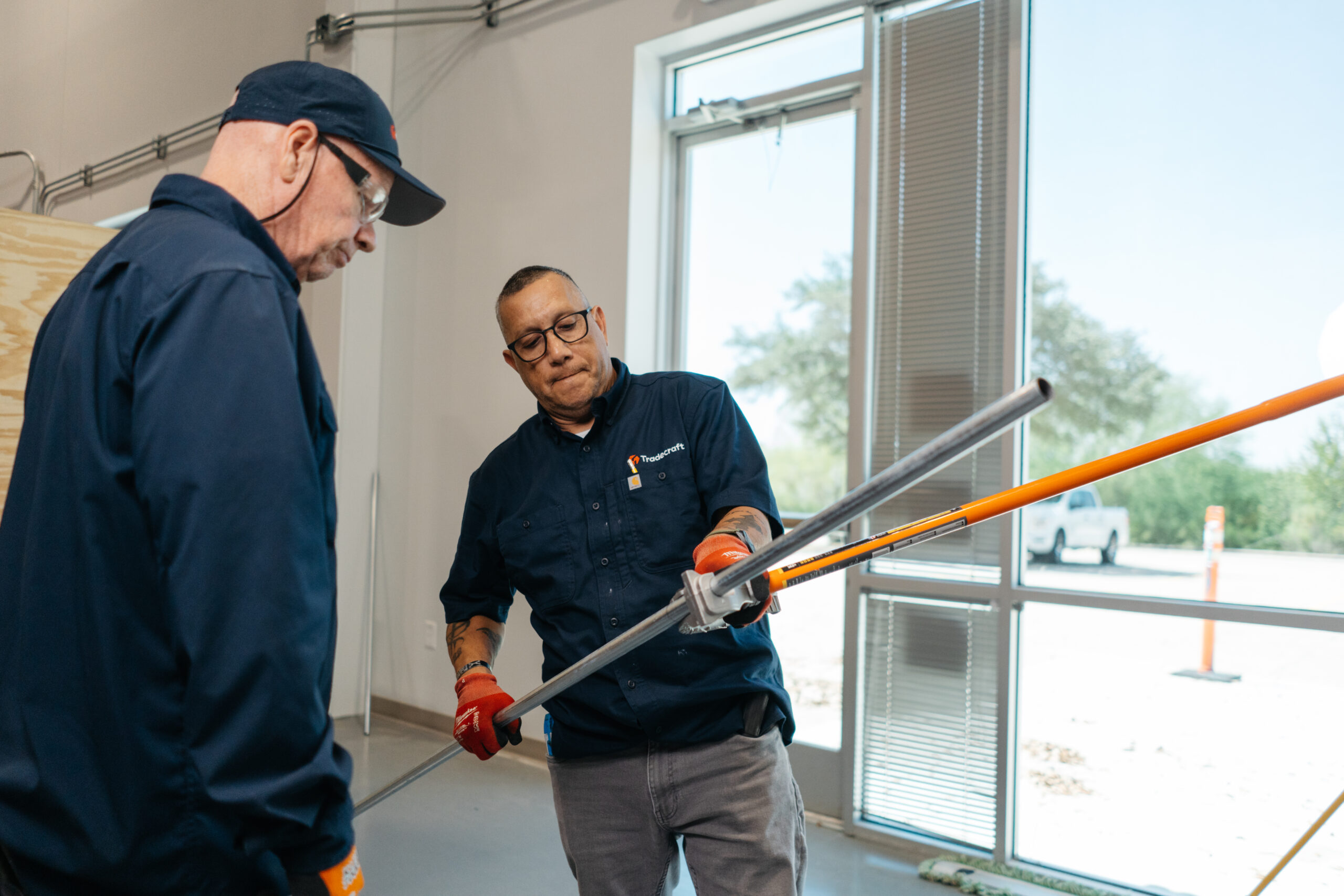
Pick the Trade First. Then Pick the Program.
Trade school marketing tends to blur the three trades together into one pitch. Good pay, strong demand, hands-on work, no degree required. All of that is true for all three, which is exactly why it doesn't help you choose.
What actually separates them is the work itself. An HVAC technician spends the day diagnosing systems that are already installed and figuring out why they failed. An electrician spends the day working to code, where precision and documentation matter as much as speed. A plumber spends the day on physical problems that usually cannot wait, in spaces that are rarely comfortable.
The Five Things That Actually Matter in a Trade Program
There isn't one single reason for the skilled labor shortage. It's the result of several trends happening at the same time.
- Hands-On Training: Ask for the real number of lab hours, not just whether a program is “hands-on.” You should know how much time you’ll spend working with tools, equipment, and live systems.
- Experienced Instructors: Learn who is teaching you, how long they worked in the field, and what you’ll be training on. Real-world experience and up-to-date equipment can make a major difference.
- Certifications and Licensing: Ask what certifications are included in tuition and whether your training hours count toward applicable licensing requirements. OSHA 10 and, for HVAC students, EPA 608 should be part of the conversation.
- Job-Ready Preparation: Choose a program that teaches safety, practical skills, and what employers expect from entry-level workers.
- A Clear Path Forward: Ask what happens after graduation. Resume help, interview preparation, employer introductions, and job-search support should be clearly explained, not left as vague promises.
How Tradecraft's 6-Week Framework Works Across All Three Trades
All three Tradecraft programs follow the same focused structure: six weeks, 240 clock hours, and more than 70% of training spent hands-on rather than in lecture. Classes run Monday through Friday from 7:00 AM to 3:30 PM, intentionally mirroring the schedule and expectations of a real working day What changes between HVAC, electrical, and plumbing is the material students learn, not the framework.
Week one builds the foundation for every program. Students begin with safety, OSHA 10 training, tool identification, and essential job-site fundamentals. No previous trade experience is assumed, so each student starts by developing the same core understanding of how to work safely and professionally.
Weeks two through five move into trade-specific training. HVAC, electrical, and plumbing students focus on the systems and skills required for their chosen field, progressing from core concepts into hands-on installation, service, and troubleshooting using real tools and equipment.
Week six shifts the focus toward entering the workforce. Students work on resume development, interview preparation, customer communication, and other job-readiness skills while also being connected with Tradecraft's career placement assistance.
The result is a six-week framework designed to move students from learning the fundamentals to practicing the trade to preparing for the job search, without stretching that process across unnecessary semesters.
What to Look For in a Trade School for Plumbing Training
When searching for a plumbing school near me, don’t choose based on location alone. In Texas, it’s more important to understand how the program prepares you for the apprenticeship and licensing path ahead.
Look for training that covers water supply, drainage, venting, code fundamentals, fixture setting, and pipe joining, with plenty of hands-on practice using real materials. A strong program should also be upfront about the physical side of the job, including work in crawlspaces, attics, and other demanding environments.The career outlook is strong, too. BLS projects about 42,000 openings each year for plumbers, pipefitters, and steamfitters, with employment expected to grow 7% from 2025 to 2035.
What to Look For in a Trade School for Electrician Training
Electrical is highly code-driven, so the training should be structured, precise, and hands-on. When comparing a trade school for electrician training, confirm that the program covers code fundamentals, conduit bending, panel work, circuits, and real wiring assemblies, not just diagrams and lecture.
You should also ask whether the program provides documented clock hours that count toward Texas apprentice requirements and clearly explains the licensing path from apprentice to journeyman to master electrician. The demand is strong, too. BLS projects electrician employment to grow 9% from 2025 to 2035, with about 72,700 openings each year nationwide. That's important context for anyone searching online for a plumbing school near me, because you're not simply choosing a training program. You're choosing the first step toward entering an industry built around solving problems that homes and businesses cannot afford to leave unfixed.
What to Look For in an HVAC School
HVAC is a troubleshooting-heavy trade, so a strong HVAC school should teach students how to diagnose problems, not just install equipment. Look for training that includes EPA 608 certification, live equipment, refrigeration fundamentals, residential and commercial systems, and electrical basics built directly into the HVAC curriculum.
Students should be working on real systems, testing components, reading system performance, and learning how to identify why equipment is not operating correctly. The demand is strong as well. BLS projects HVAC technician employment to grow 11% from 2025 to 2035, with about 40,600 openings each year nationwide.
See the Program Before You Choose It
The best way to know whether a trade program is right for you is to see it for yourself. Walk the labs, look at the equipment, meet the instructors, and ask the questions that actually matter before you enroll.
At Tradecraft Schools, you can explore our HVAC, electrical, and plumbing programs, see how our six-week training model works, and get a clearer idea of which trade fits your goals.