
Plumbing School vs. Apprenticeship vs. Community College in San Antonio
If you want to break into plumbing in San Antonio, three options come up fast: a short plumbing training program, an earn-while-you-learn apprenticeship, or a community college certificate. Each one asks something different of you, whether that is time, tuition, or finding a contractor to sponsor you.
This guide lines the three up on length, hours, format, and what you finish with, using details published by each program and by the Texas State Board of Plumbing Examiners. Tradecraft Schools offers one of these options, so every detail about our program comes straight from our published program page.
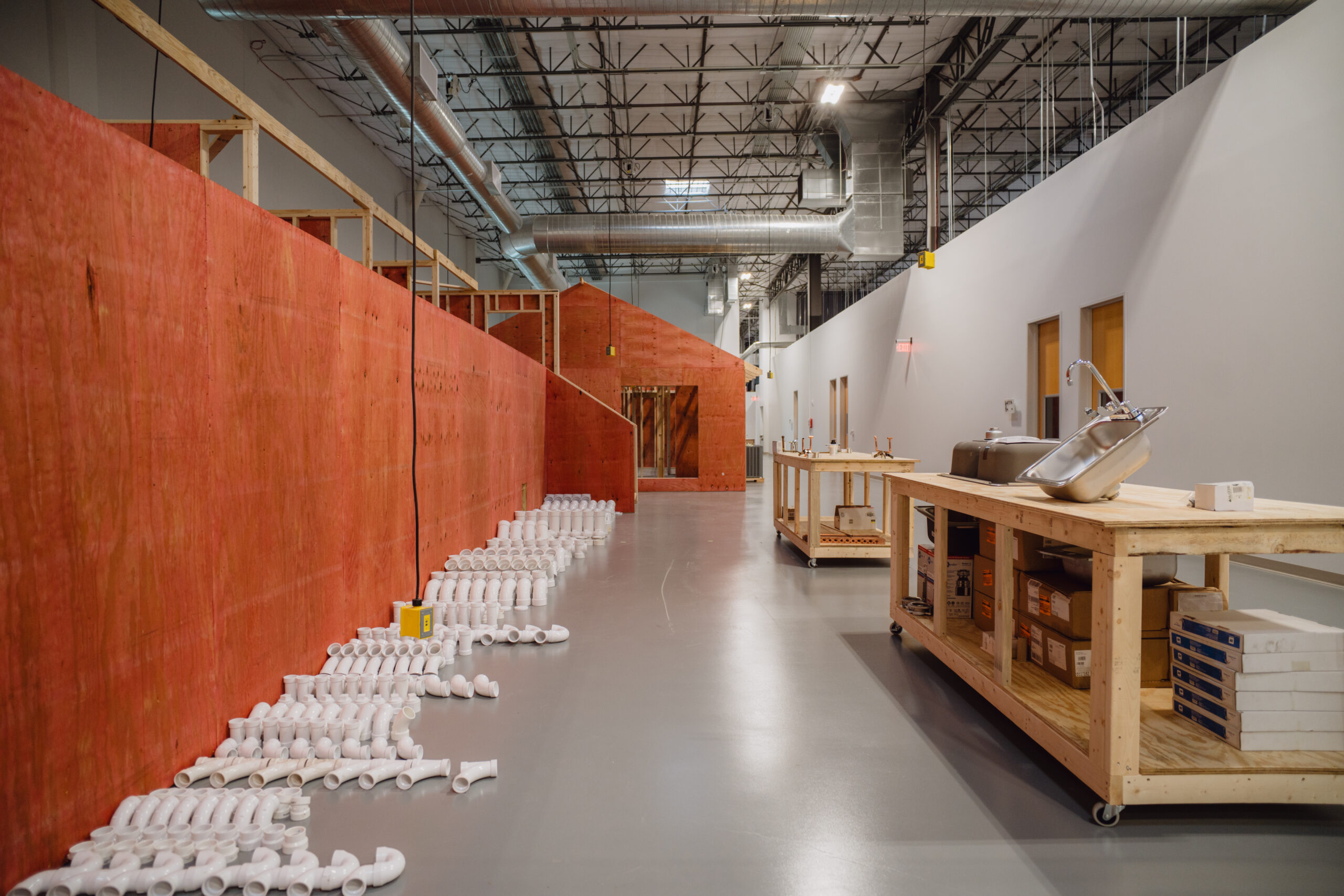
Why All Three Paths End at the Same License
No matter where you train, the state decides when you become a licensed plumber. The TSBPE requires everyone to register as a plumber's apprentice first. Registration is open to anyone 16 or older who is eligible for licensure in Texas, the fee is $15, and no school is required. Hours you work before registering do not count toward a license.
From there, licenses are earned with documented experience: 4,000 hours for Tradesman Plumber-Limited and 8,000 hours for Journeyman Plumber, plus a TSBPE-approved course or enrollment in a U.S. Department of Labor approved apprenticeship. So the path you pick changes how you start and what you bring to the job, not the finish line.
Option 1: A Six-Week Plumbing Training Program
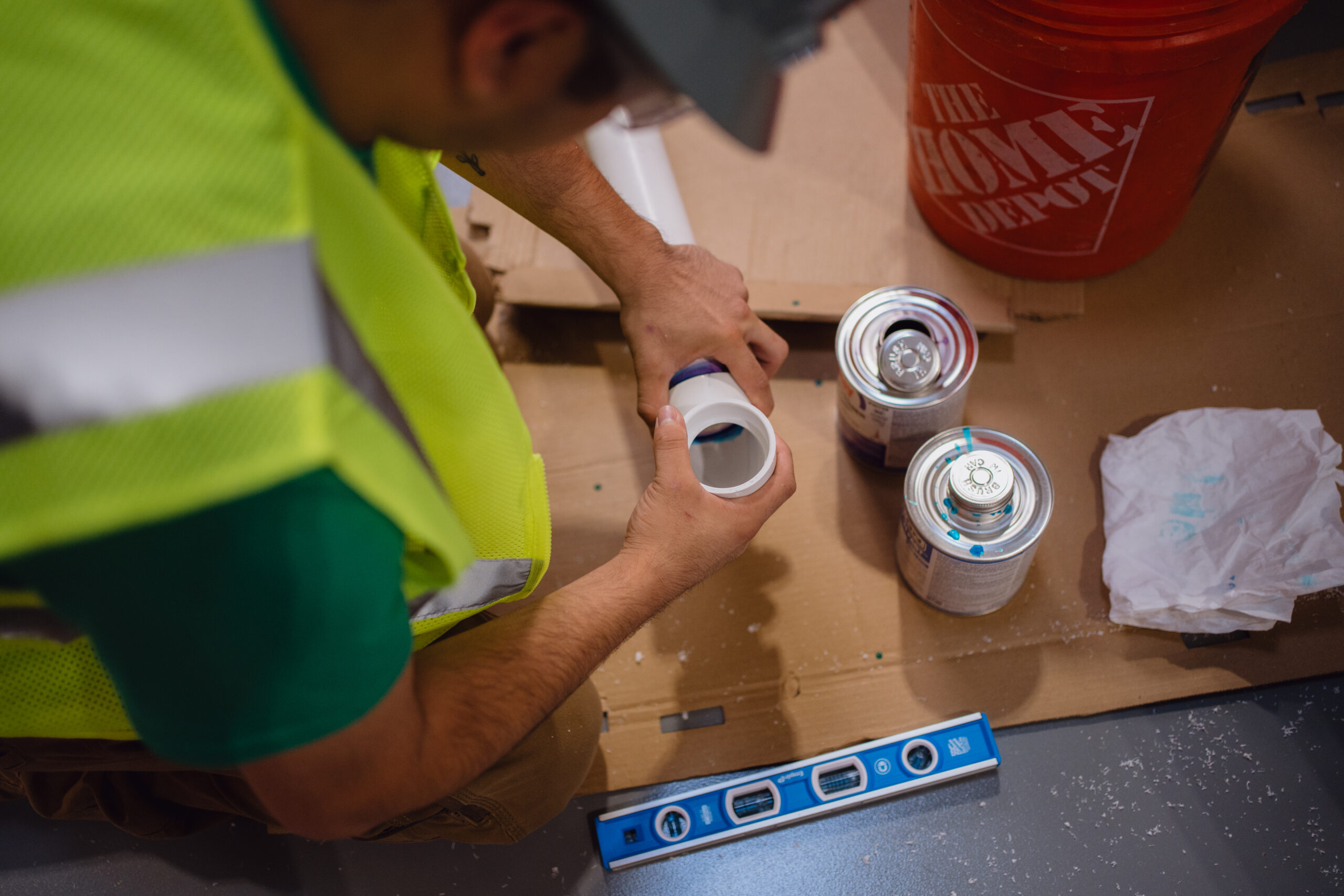
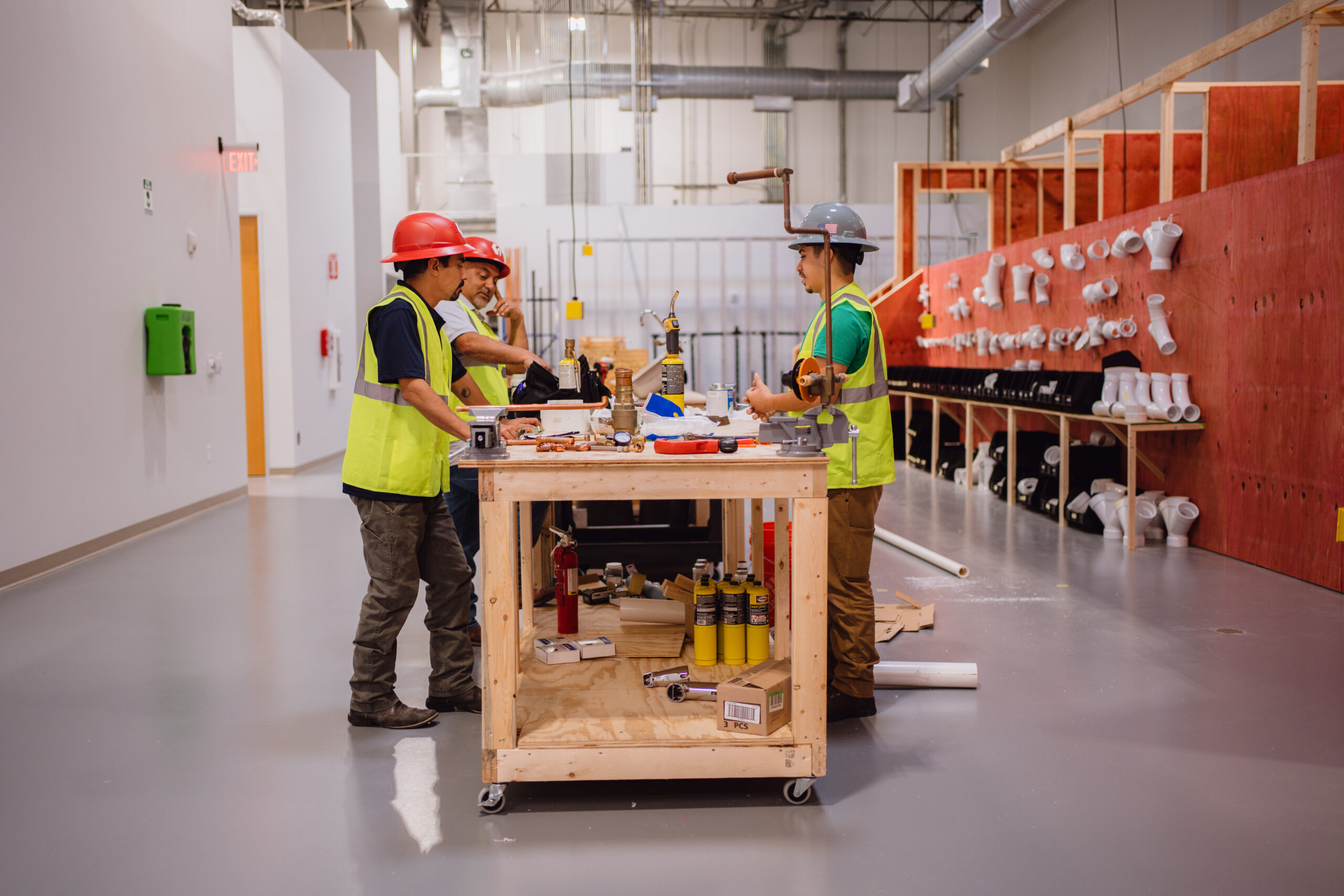
A plumbing training program is built for people who have never worked in the trade and want structured, hands-on practice before they ever step onto a job site. At Tradecraft, the plumbing program in San Antonio runs six weeks and 240 clock hours, Monday through Friday from 7:00 AM to 3:30 PM.
The hours break down into 175 in the lab, 40 in the classroom, 10 for OSHA 10 training, and 15 for career readiness. Students cut, join, and test PEX, copper, PVC, and cast iron, and work through residential rough-in, trim-out, commercial scenarios, and a final practical exam. Graduates leave with a certificate of completion and OSHA 10 certification.
What to weigh: tuition is $10,500 with financing options, you are not earning a paycheck during training, and the 240 training hours are separate from the on-the-job hours the state counts toward a license.
Option 2: An Earn-While-You-Learn Apprenticeship
A registered apprenticeship puts you on a contractor's payroll from the start. You work full time alongside licensed plumbers and attend classes on a set schedule, usually in the evening. In San Antonio, ABC South Texas and PHCC San Antonio both sponsor plumbing apprenticeships.
ABC South Texas describes a four-year, Department of Labor approved program with evening classes and paid on-the-job work. It opens enrollment once a year, and its applicant requirements include being 18 or older with a high school transcript or GED and a state ID. PHCC San Antonio runs a Department of Labor approved program in a night school format, and PHCC classes generally require that you work for a member company.
What to weigh: you typically need a sponsoring employer before you can enroll, and you learn the basics on the job instead of in a lab. On the plus side, enrollment in a Department of Labor approved apprenticeship meets the TSBPE course requirement for both the Tradesman and Journeyman exams.
Option 3: A Community College Certificate or Degree
In San Antonio, St. Philip's College in the Alamo Colleges District offers a Plumbing Trades program at its Southwest Campus on Quintana Road. Students can earn an Associate of Applied Science degree or one of three certificates: Plumber's Helper Level 1, Plumbing Trades Level 1, or Plumbing Trades Level 2.
The Plumbing Trades Level 1 Certificate is 36 credit hours of combined lab and classroom work. The college states that certificate graduates receive an OSHA card and have 1,000 hours toward their plumbing license, and that A.A.S. graduates can test for the Tradesman license.
What to weigh: progress is measured in semesters, schedules depend on which courses are offered each term, and tuition depends on residency and course load. If a college credential matters to you, this is the option designed around one.
Plumbing School vs. Apprenticeship vs. Community College at a Glance
The table below pulls the details from each section above into one view. Each figure comes from the program or agency linked in that section.
| Path | Length | Hours | Format | What You Leave With |
|---|---|---|---|---|
| Plumbing Training Program (Tradecraft Schools) | 6 weeks | 240 clock hours: 175 lab, 40 classroom, 10 OSHA 10, 15 career readiness | Full time, in person, Monday to Friday, 7:00 AM to 3:30 PM | Certificate of completion, OSHA 10 certification, and career placement assistance |
| Registered Apprenticeship (ABC South Texas, PHCC) | About 4 years | Paid full-time work toward 4,000 (Tradesman) and 8,000 (Journeyman) experience hours, plus related classes | Job with a sponsoring contractor plus evening or night classes | Employer-certified experience hours and a DOL approved program that meets the TSBPE course requirement |
| Community College (St. Philip's) | Multiple semesters | 36 credit hours for the Plumbing Trades Level 1 Certificate | Lab and classroom courses on a semester schedule | College certificate or A.A.S. degree and an OSHA card |
Clock hours, credit hours, and TSBPE experience hours are measured differently. Before you enroll anywhere, ask how the program documents its hours. Program details can change, so confirm them directly with each program.
Three Questions to Ask Before You Choose
If you have been searching for a plumbing school near me and still feel stuck between options, these three questions usually settle it.
1. Can you train before you earn?
If you need a paycheck right away and can find a contractor to sponsor you, an apprenticeship pays you from the start. If you can set aside six weeks for full-time training, a plumbing program lets you learn the fundamentals first.
2. Do you have a sponsor yet?
Apprenticeship programs usually require an employer before you can enroll. If you do not have one yet, a training program or college certificate is a way to build skills while you look.
3. Does a college credential matter to you?
If you want a certificate or associate degree on your transcript and a semester schedule fits your life, community college is the option built around that.
San Antonio Plumber Wages, in Context
U.S. Bureau of Labor Statistics 2024 wage data, published through O*NET OnLine from the U.S. Department of Labor, puts the median annual wage for plumbers, pipefitters, and steamfitters in the San Antonio-New Braunfels metro area at $58,530, or $28.14 per hour.
Keep in mind that a median covers every experience level, from new apprentices to master plumbers who have been in the trade for decades. It is not a starting wage, and it is not a prediction of what a graduate of any program will earn. Actual pay depends on the employer, your license level, your experience, and local demand.
Visit the Lab, Then Decide
There is no single right answer here. A plumbing training program, an apprenticeship, and a community college certificate all lead to the same Texas license ladder, and plenty of plumbers combine them along the way. The best path is the one that fits your schedule, your budget, and the way you learn.
Whichever direction you lean, do some homework before you commit. Ask each program what a typical week looks like, how much time you will spend working with your hands, how its hours are documented, and what support is available once you finish. Ask apprenticeship sponsors when their next enrollment window opens and what they need from an employer. Ask colleges which courses are offered next term and how long the certificate usually takes at the pace you can manage.
If structured, hands-on training before your apprenticeship sounds right, the best way to know for sure is to see the space in person. Book a campus tour to walk through the plumbing lab, meet the instructors, and talk with admissions about upcoming start dates and payment options. You can also call us at (210) 998-2000. Career placement assistance is available to graduates. Employment is not guaranteed.