How long does HVAC School Take? Why You Don't Need a 2-Year Degree to Enter the Trade.
If you’re searching for HVAC school right now, chances are you’re doing math in your head. Rent. Groceries. A mortgage, maybe kids. The idea of walking away from a paycheck for two years to earn a degree isn’t just inconvenient; for most adult career changers and military members transitioning out of service, it’s simply not an option.
Here’s the good news: it doesn’t have to be. HVAC training doesn’t require a two-year commitment. At Tradecraft Schools, our HVAC training in San Antonio is built to get you job-ready in 6 weeks, not years.
The Two Year Myth
The two year associate degree became the default path into HVAC because that's how community colleges are structured, not because HVAC actually takes two years to learn. A large percentage of that time is spent on general education requirements: English composition, college algebra, elective credits that have nothing to do with refrigerant lines, ductwork, or diagnosing a failed compressor.
Strip those courses out and what's left is the actual technical skill set an entry-level HVAC technician needs on day one of a real job. That's the entire premise behind Tradecraft's 6-week model.
How Tradecraft Condenses HVAC Training Into 6 Weeks
Our HVAC program totals 240 clock hours over 30 days of instruction, running 7:00 AM to 3:30 PM, the same hours as a real job site. That structure is intentional. It conditions you for the workday before you ever clock in for an employer.
Here's how those hours break down:
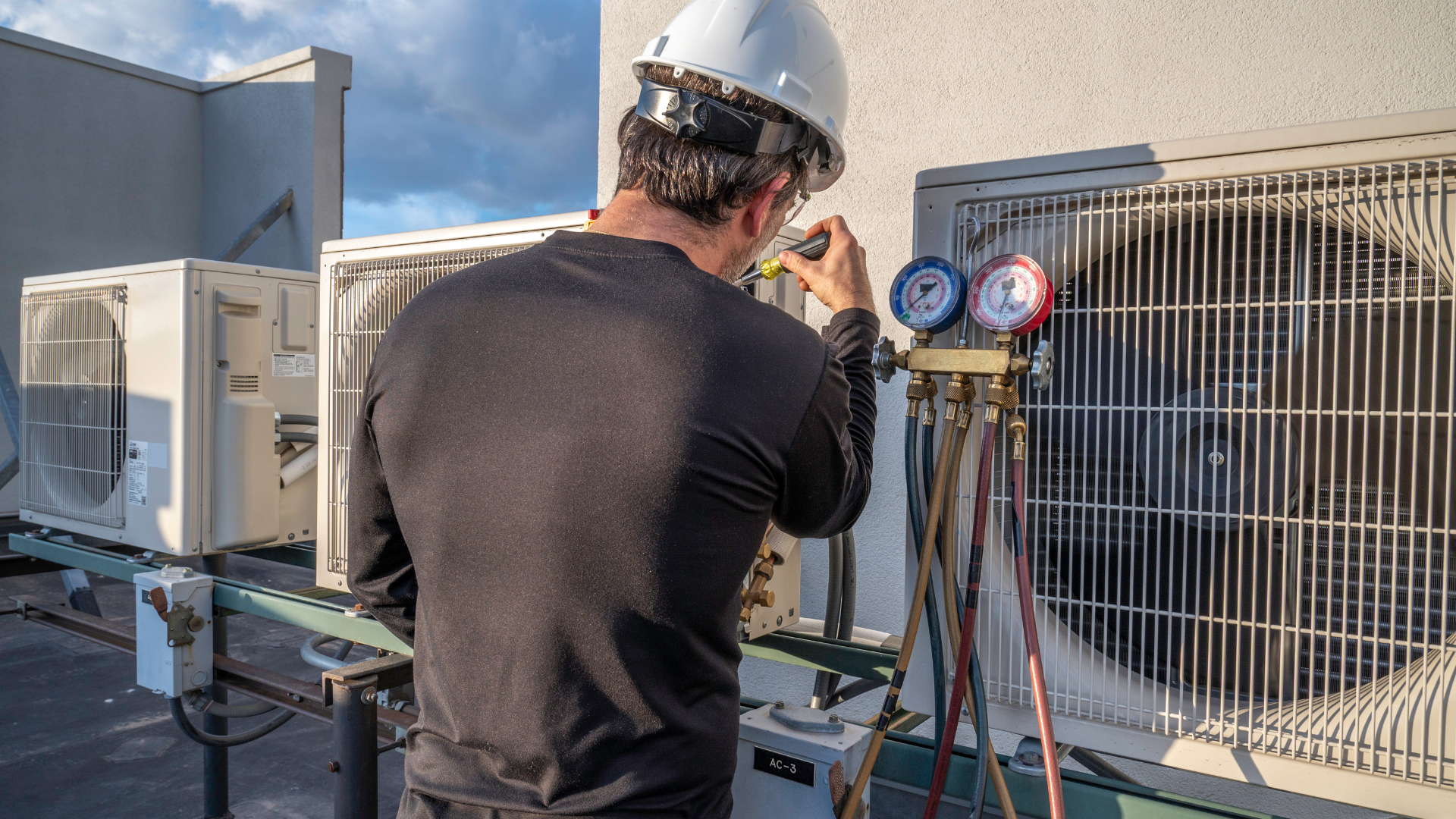
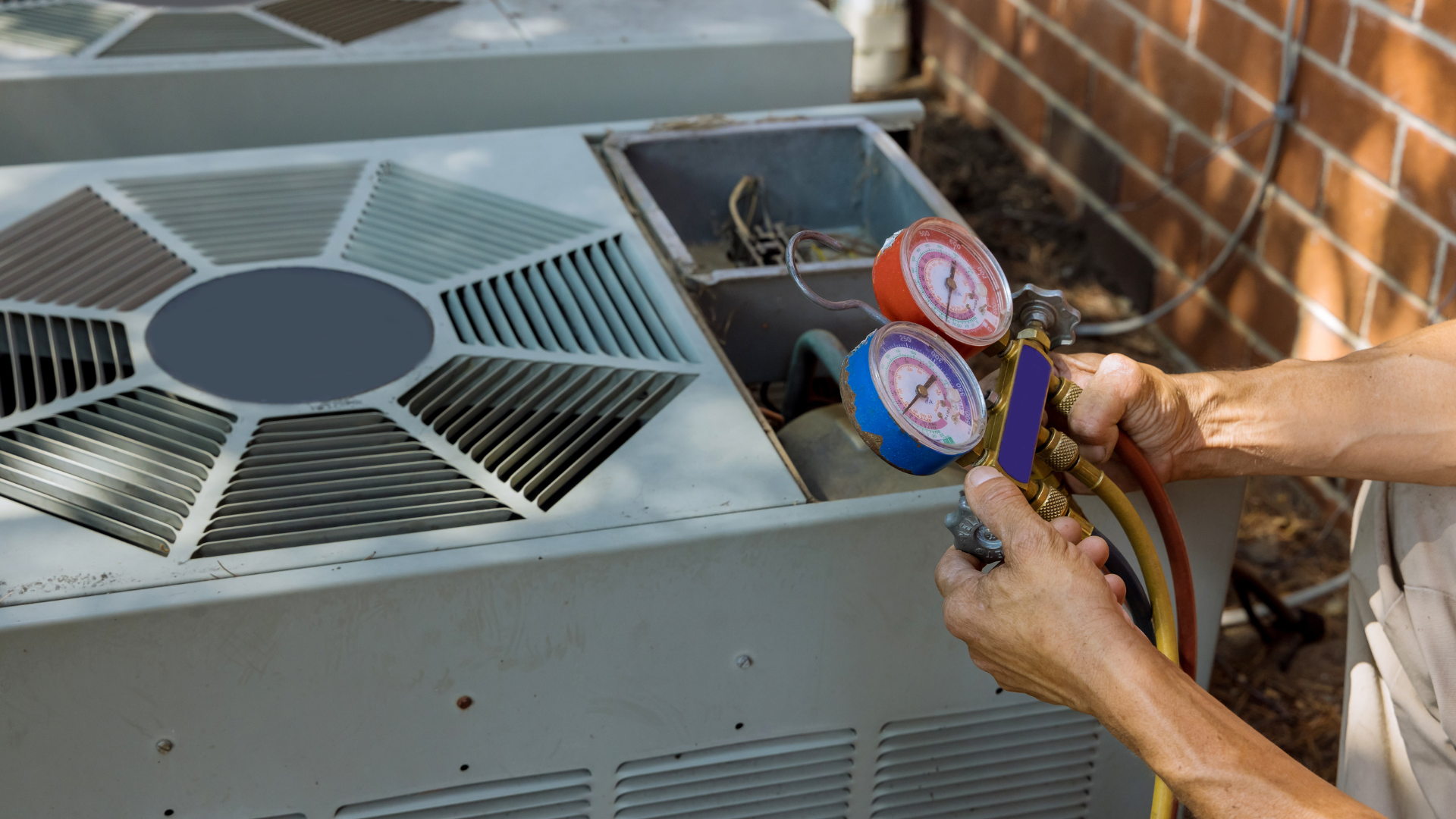
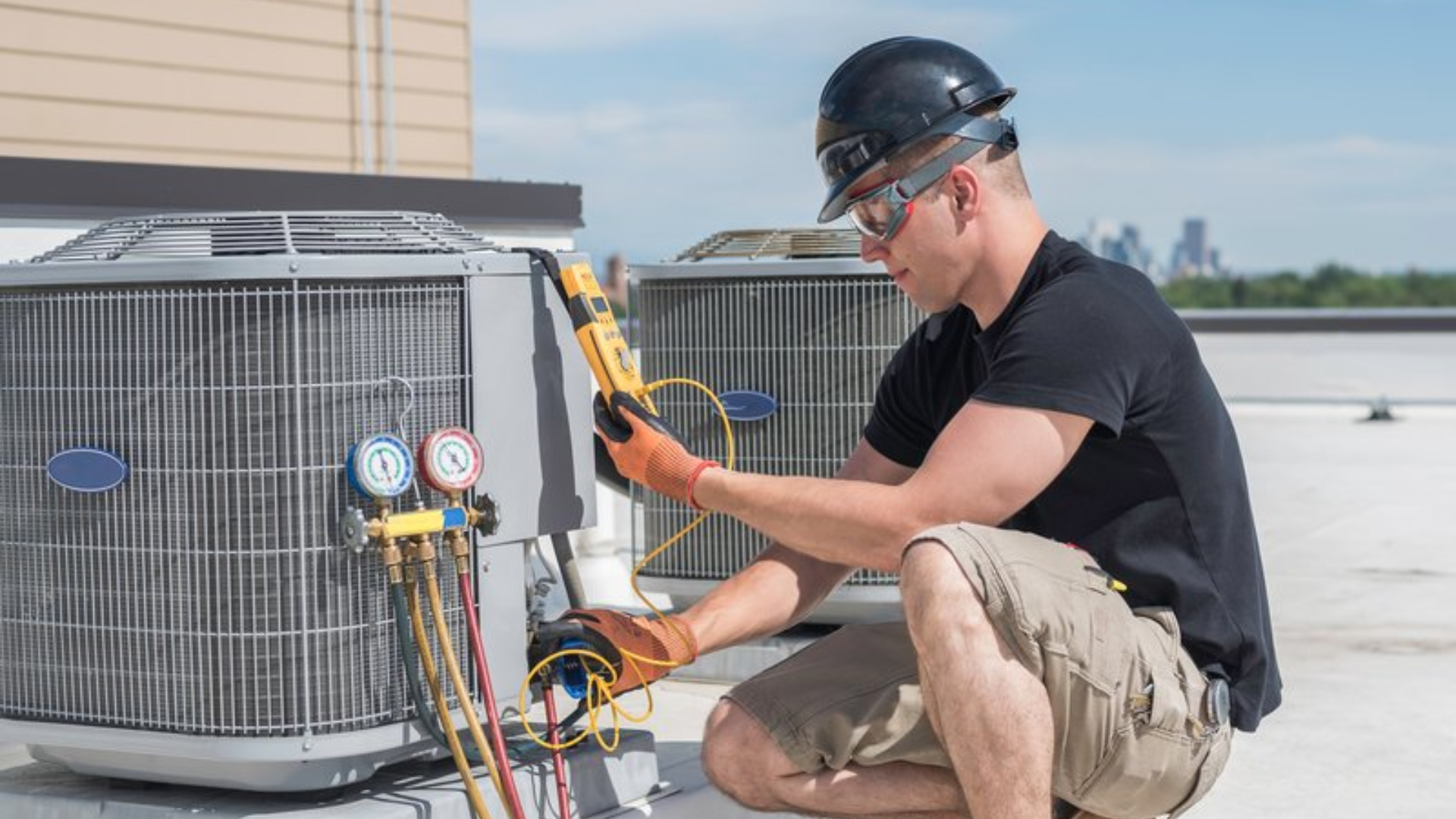
- 175 hours (73%) of hands-on lab work. You're working on real HVAC systems from day one, not sitting through months of lecture before you touch a wrench.
- 40 hours of classroom and theory instruction, built specifically around what you need to understand to make the lab work make sense.
- 10 hours of OSHA 10 certification training, fully embedded in the curriculum at no extra cost.
- 15 hours of career readiness: resume building, interview prep, and job site culture.
By graduation, you'll hold an OSHA 10 certification and an EPA 608 certification, both required credentials in the field, along with 240 documented clock hours and Texas HVAC apprentice eligibility.
Built For Career Changers And Military Transitions
If you're changing careers or transitioning out of the military, six weeks means something different to you than it might to an 18 year old fresh out of high school.
Minimal Income Disruption
Six weeks away from a paycheck is manageable in a way that two years is not. You can plan around a short training window, whether that means savings or a short bridge job, without putting your household finances on hold for years at a time.
A Faster Path to a Second Income Stream
San Antonio HVAC apprentices typically start at $20 to $23 an hour. At $10,500 in tuition, the program can pay for itself in roughly 12 weeks of work, meaning you're earning again well before a traditional two year program would even reach graduation.
Financing That Doesn't Require a Wait
Beyond GI Bill eligibility, Tradecraft offers monthly financing starting at $199 a month through Climb Credit and Meritize, along with Texas Workforce Commission grant options that may cover part or all of your tuition cost.
Why The 6-Week Timeline Works
Skeptical that 6 weeks is enough? It's a fair question. The answer comes down to focus. Traditional HVAC school spreads technical training across two years partly because it's diluted with unrelated coursework. Tradecraft's program cuts the filler and dedicates nearly three quarters of total instructional time to hands-on lab work.
You're not learning HVAC in theory and hoping it translates to a job site later. You're building the muscle memory on real equipment, in a San Antonio lab, from week one.
HVAC Training San Antonio: A Market That Doesn't Slow Down
San Antonio averages more than 220 days a year above 80°F. That means HVAC isn't a seasonal trade here, it's a year round necessity across residential neighborhoods like Alamo Ranch, Converse, and Schertz, commercial developments downtown and around the South Texas Medical Center, and government and military facilities across the region. Graduates enter a job market with consistent, year round demand.