How Long Does It Take to Become a Plumber in Texas?
In Texas, it takes about four years of full-time work to earn a Journeyman Plumber license. The state requires 8,000 hours on the job after you register as a plumber's apprentice, with a Tradesman Plumber-Limited license available at 4,000 hours along the way.
Those hours are set by the state, and everyone puts them in. What you control is how you start them. You can register with no experience and learn everything on the job, or you can spend six weeks in a hands-on plumbing program at Tradecraft Schools in San Antonio first and start your four years with the fundamentals already in your hands. This guide covers both: every step of the Texas license path, and how six weeks gives you a head start on it.
The Short Answer: About Four Years to Journeyman
Becoming a plumber in Texas isn't measured in semesters. It's measured in hours. The Texas State Board of Plumbing Examiners (TSBPE), the state agency that licenses plumbers, sets the experience you need for each license, and those hours only start counting once you're registered as a plumber's apprentice.
Working full time, most people log roughly 2,000 hours a year. That puts the Tradesman Plumber-Limited license (4,000 hours) at about two years and the Journeyman Plumber license (8,000 hours) at about four years. A journeyman can then test for a Master Plumber license after two more years, or one year with a completed U.S. Department of Labor approved apprenticeship.
Six Weeks at Tradecraft: A Head Start on Your Four Years
Here's the part most license guides leave out. Texas lets you register as a plumber's apprentice with no experience at all. You can walk onto your first job site never having cut pipe, joined copper, or heard the term DWV, and learn all of it on the clock while a licensed plumber is trying to get the job done.
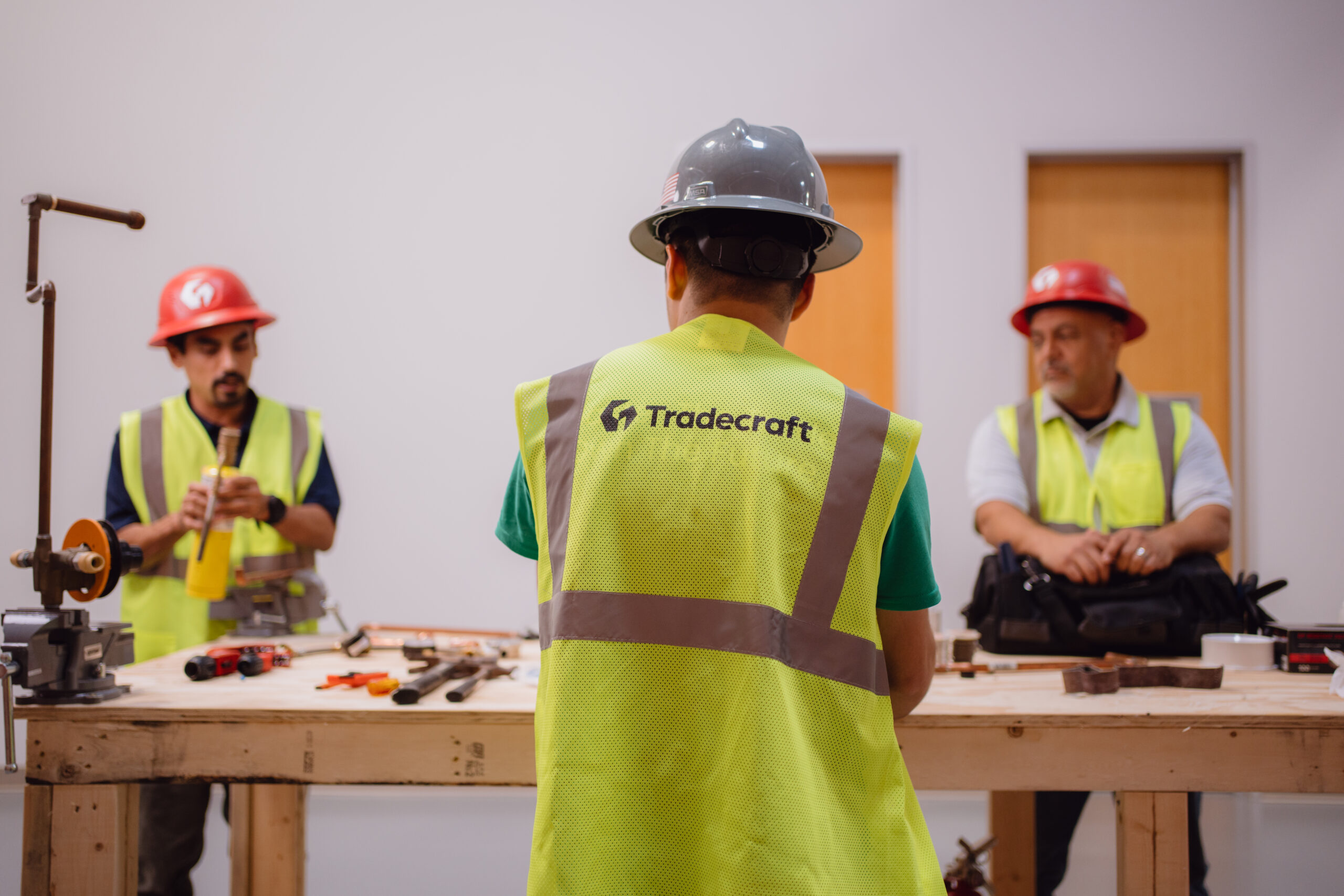
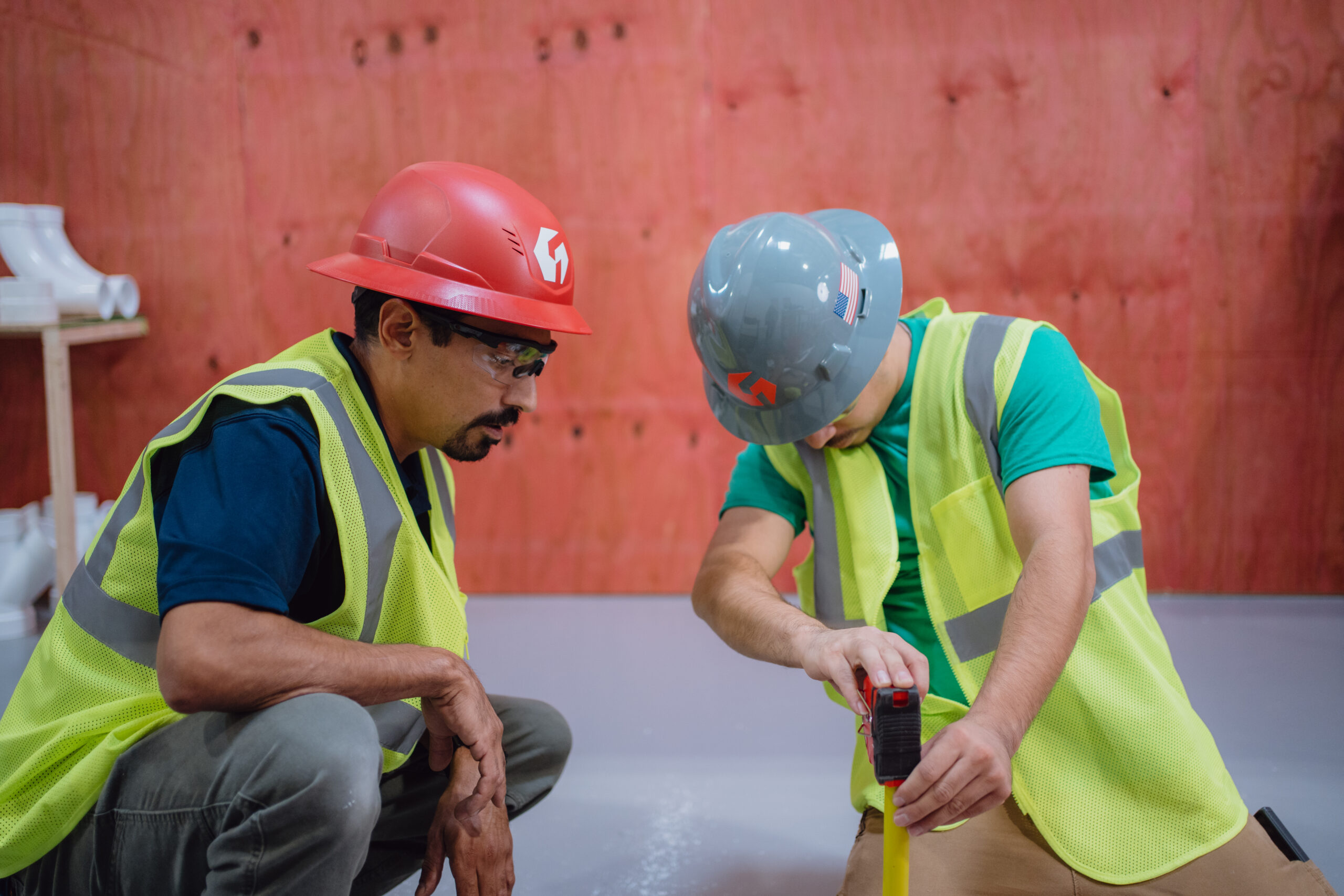
Tradecraft's six-week plumbing school in San Antonio flips that order. Before your apprenticeship starts, you spend 240 clock hours learning the trade, 175 of them in a lab built to work like a real job site. You learn safety, tools, and plumbing systems in a place where mistakes are part of the lesson.
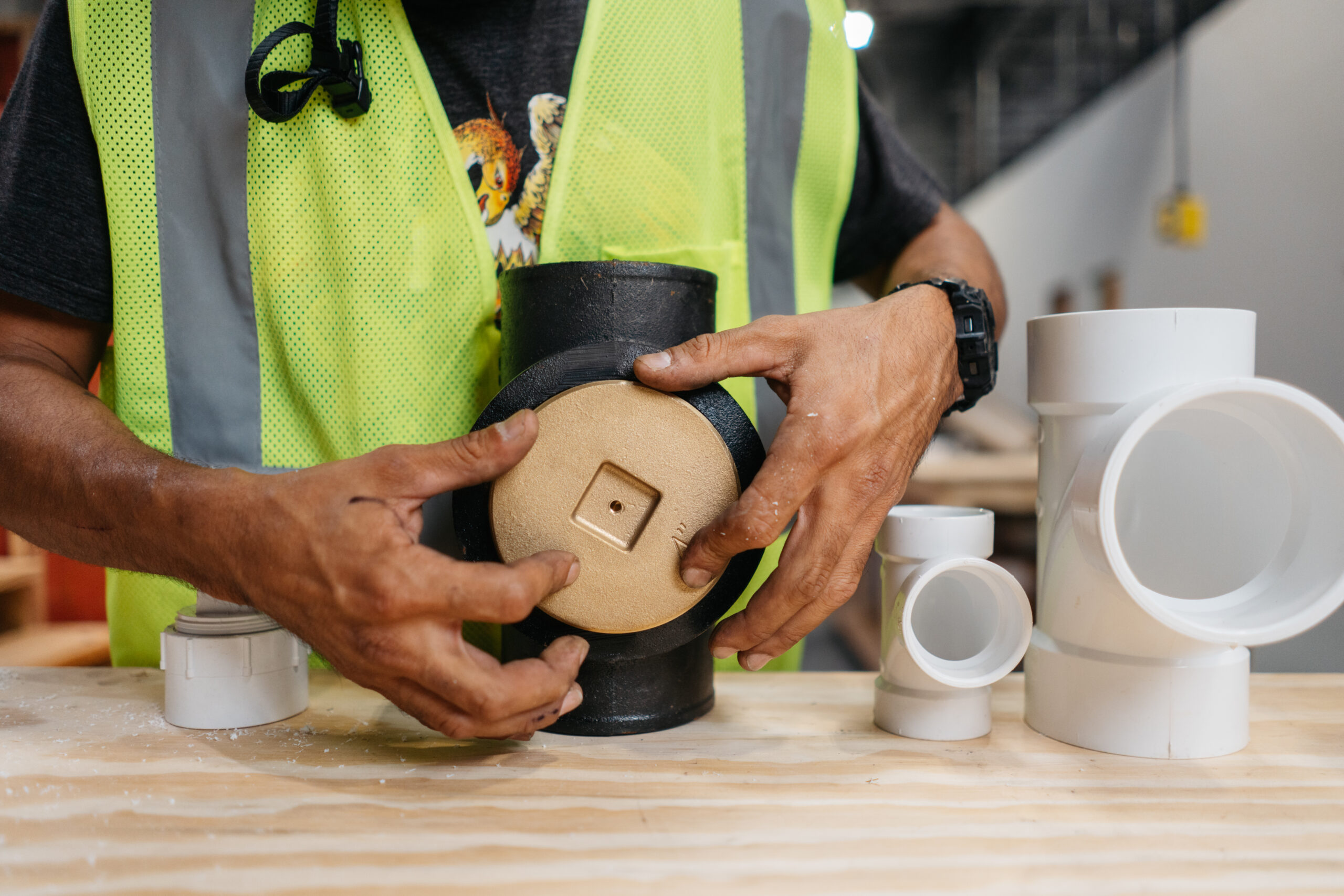
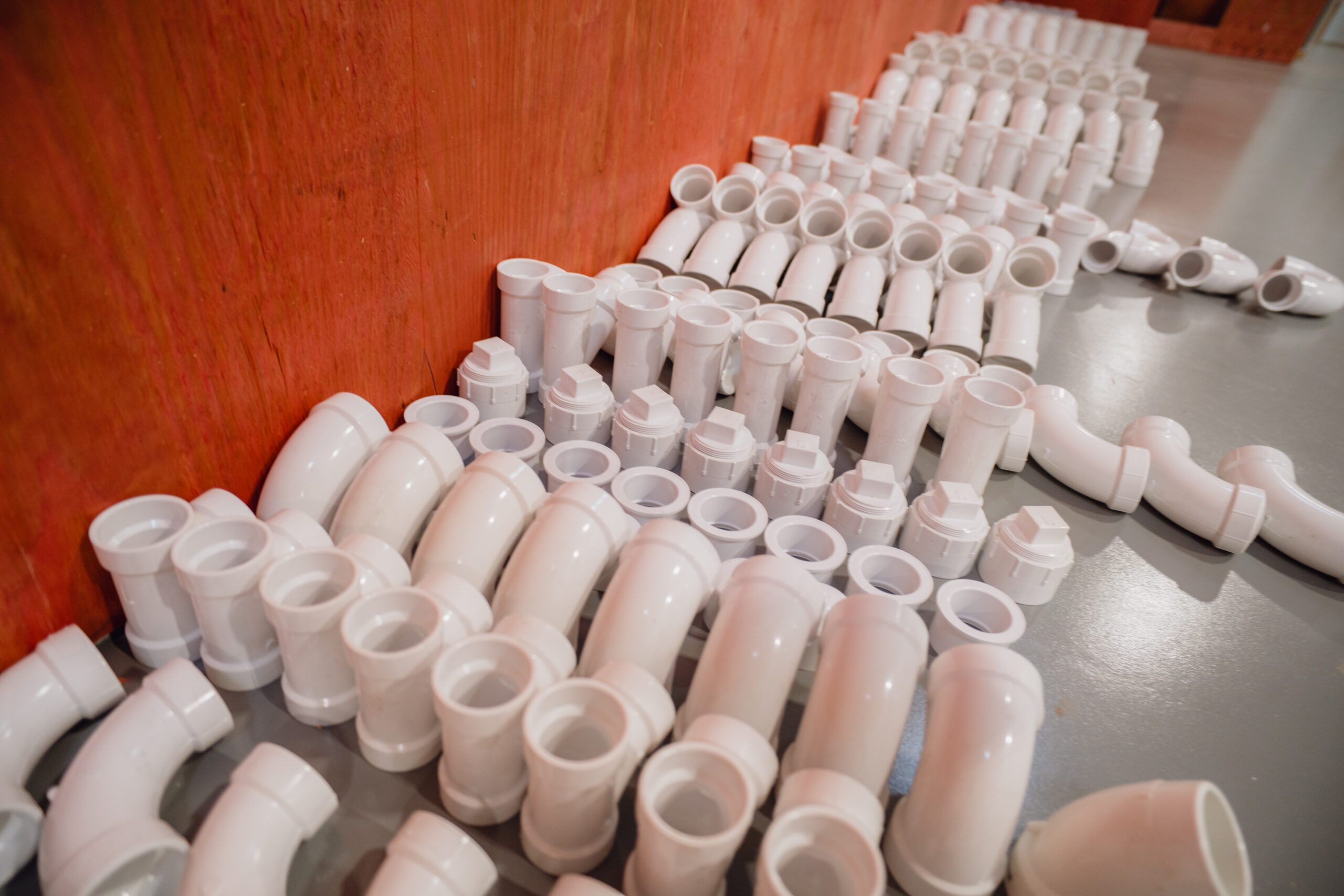
“By the time they'll graduate, they'll have dealt with PVC, PEX, copper, cast iron, and even DWV fittings as well.”
Bobby Vidal, Journeyman Plumber and Tradecraft Schools Plumbing Instructor
The state's hours still have to be earned on the job, and the 240 hours don't count toward them. What six weeks gives you is a head start on the skills, so your four years begin with the fundamentals already in your hands instead of starting from zero.
What You'll Already Know on Your First Day as an Apprentice
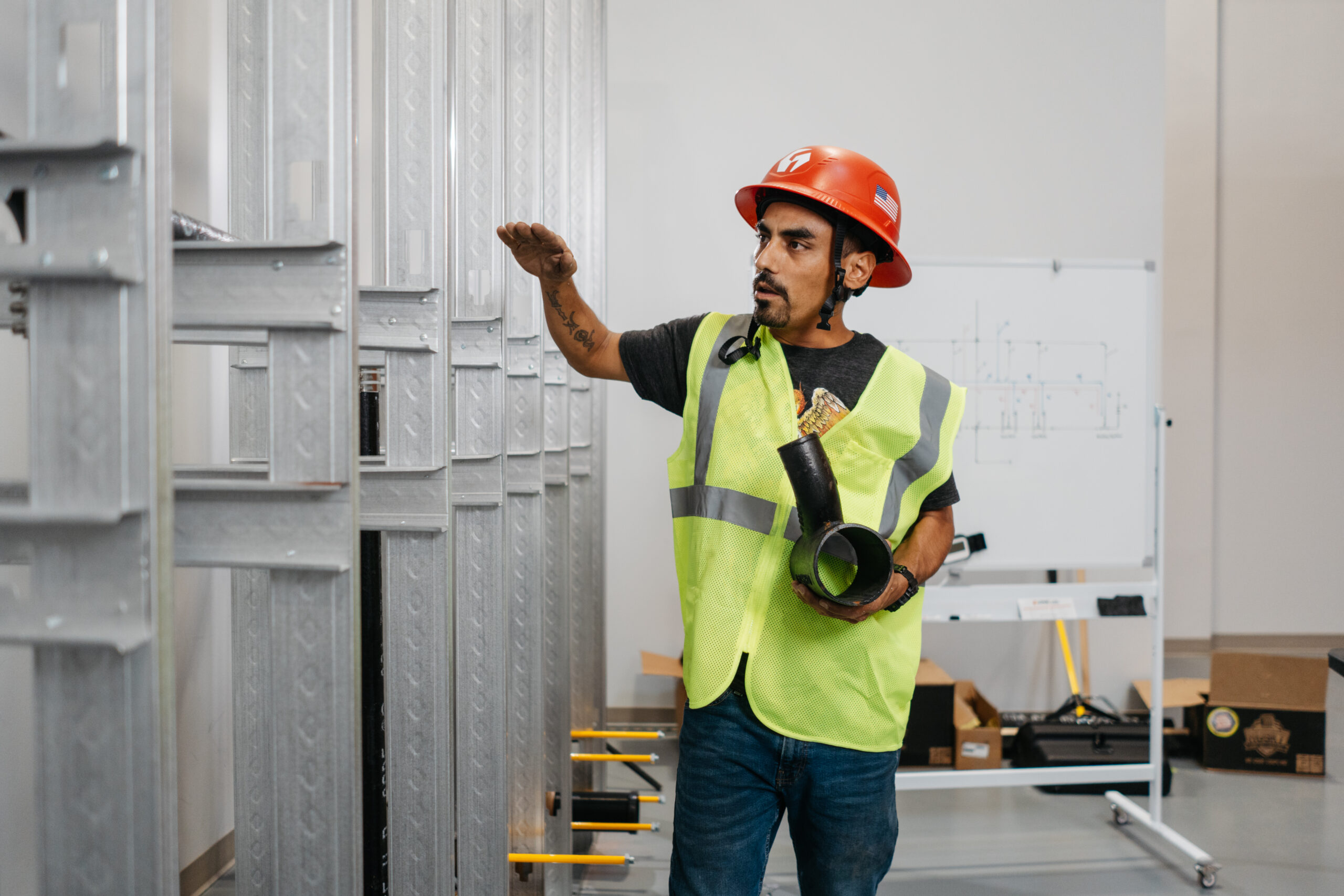
Each week of the program builds on the last. Week one covers PPE, jobsite and ladder safety, and OSHA 10 training, along with hand and pipe tools, measuring, and a pipe cutting, reaming, and deburring lab. Week two moves into drain, waste, and vent (DWV) systems, water supply, pipe types, joining methods, fittings, and an introduction to blueprint reading. Weeks three and four cover residential rough-in and trim-out, including fixture installs and leak testing. Week five introduces commercial plumbing and cast iron, and week six brings troubleshooting and a final practical exam.
Classes run Monday through Friday from 7:00 AM to 3:30 PM, so the early starts on a real crew already feel normal. You leave with a certificate of completion from Tradecraft and an OSHA 10 certification, ready to register as an apprentice and start logging hours with that foundation behind you. For a closer look at how it all begins, read what to expect in your first week of trade school.
Step 1: Register as a Plumber's Apprentice
Every Texas plumbing career starts with apprentice registration through the TSBPE. You need to be at least 16 years old and eligible for licensure in Texas, and the registration fee is $15. There's no exam, and any plumbing hours you work before you register do not count toward a license, so register as soon as you start.
As an apprentice, you learn and assist under the direct supervision of a licensed plumber who is on the job site with you. Coming through Tradecraft, you start that supervised work with OSHA 10 and six weeks of lab training already behind you, so you're building on what you know from your first day.
Step 2: Earn Your Tradesman Plumber-Limited License (About 2 Years)
At 4,000 hours, you can apply for the Tradesman Plumber-Limited exam. You also need a 24-hour training course approved by the TSBPE, or enrollment in or completion of a U.S. Department of Labor approved apprenticeship program. Your employer documents your hours on an Employer Certification Form.
This license covers plumbing work on one and two-family homes under a Responsible Master Plumber. It's the same kind of residential rough-in and trim-out work Tradecraft students practice in weeks three and four of the program.
Step 3: Become a Journeyman Plumber (About 4 Years)
The Journeyman Plumber license is the milestone most people mean when they ask how long it takes to become a plumber in Texas. To sit for the Journeyman Plumber exam, you need at least 8,000 hours of experience, a current apprentice registration or tradesman license, and a 48-hour course approved by the TSBPE or a Department of Labor approved apprenticeship program.
A journeyman can work on residential and commercial plumbing and directly supervise apprentices on any job site. The commercial plumbing and cast iron work in week five at Tradecraft gives you an early look at that side of the trade years before you test for it.
Step 4: Move Up to Master Plumber
After two years as a journeyman, or one year if you completed a Department of Labor approved apprenticeship, you can apply for the Master Plumber exam. Texas shortened this requirement in 2025. Before then, journeymen needed four years of licensed experience. A master license is also the step toward becoming a Responsible Master Plumber, the license holder who can take responsibility for a plumbing company's work.
How to Get the Most Out of Your Four Years
The four-year estimate assumes steady, full-time work, since the TSBPE counts hours worked, not years on the calendar. Register as an apprentice right away, keep your own record of hours, and get your Employer Certification Forms signed before you change jobs. Finish your 24-hour or 48-hour course before your hours are in so you can apply as soon as you qualify.
Most of all, start ready. The more you already know about safety, tools, layout, and fittings, the more you can take on as you learn from the licensed plumbers around you. That's the head start six weeks at Tradecraft is built to give you.
Give Your Four Years a Six-Week Head Start
Every licensed plumber in Texas puts in the hours. The difference is what you bring to them. Six weeks at Tradecraft means your apprenticeship starts with OSHA 10, real tool skills, and lab experience on PVC, PEX, copper, and cast iron, instead of a first day spent learning what everything is called.
“Come walk the lab before you decide anything. That's the whole ask.”
Bobby Vidal, Journeyman Plumber and Tradecraft Schools Plumbing Instructor
If you're comparing trade schools in San Antonio, bring your questions about start dates, schedules, and trade school financing to a campus tour. You can walk through the plumbing lab, meet our instructors, and sit down with admissions to map out your next steps.