How to Become an HVAC Technician in Texas
If you're considering a hands-on career in Texas, HVAC is one of the most practical fields to explore. Homes, schools, hospitals, restaurants, offices, warehouses, and commercial buildings all depend on heating and cooling systems to stay comfortable and operational. Those systems need trained professionals who can install them, maintain them, diagnose problems, and make repairs when something goes wrong.
For someone researching how to become an HVAC technician in Texas, the path starts with learning the fundamentals, gaining hands-on experience, and preparing for the certifications needed to enter the field. At Tradecraft Schools in San Antonio, students can begin building that foundation in just six weeks and 240 clock hours, with more than 70% of the program spent in hands-on training. The goal is to help students develop practical HVAC skills faster so they can take the next step toward an entry-level career with confidence.
What Does an HVAC Technician Actually Do?
HVAC stands for heating, ventilation, and air conditioning, but the work goes well beyond simply replacing air conditioners. HVAC technicians may work with heating systems, refrigeration equipment, electrical components, airflow, ductwork, thermostats, controls, and other systems that help regulate indoor environments.
The job also involves a significant amount of troubleshooting. A technician may arrive at a home or business where the system is not cooling properly and have to determine whether the problem is electrical, mechanical, airflow-related, or connected to the refrigerant system. That makes HVAC a strong fit for people who like working with their hands but also enjoy figuring out how things work. It is a technical career, and the more experience a technician gains, the better they become at recognizing problems and finding solutions quickly.
Is HVAC a Good Career in Texas?
Texas is an especially practical place to build an HVAC career because heating and cooling systems are essential across residential and commercial environments. Air conditioning is not simply a convenience during a Texas summer. It is part of the infrastructure people depend on every day.
- The Work Is Essential, Not Optional: Homes, offices, schools, hospitals, restaurants, and warehouses all depend on climate control. In this state, a failed system is an emergency rather than an inconvenience, which is why service volume here does not follow the national seasonal pattern.
- The National Outlook Is Strong: The Bureau of Labor Statistics projects employment for heating, air conditioning, and refrigeration mechanics and installers to grow 11% from 2025 through 2035, with approximately 40,600 openings each year during that period.
- Earning Potential Grows With Experience: An entry-level technician should not expect to earn the same amount as someone with years of field experience, specialized certifications, or supervisory responsibilities. HVAC is a career where technical ability, experience, and additional credentials can continue increasing your value over time.
- The Ladder Is Clearly Defined: Registered technician, certified technician, and contractor licensure are each defined steps with published requirements, so you always know what the next move is and what it takes to get there.
Start With the Right HVAC School
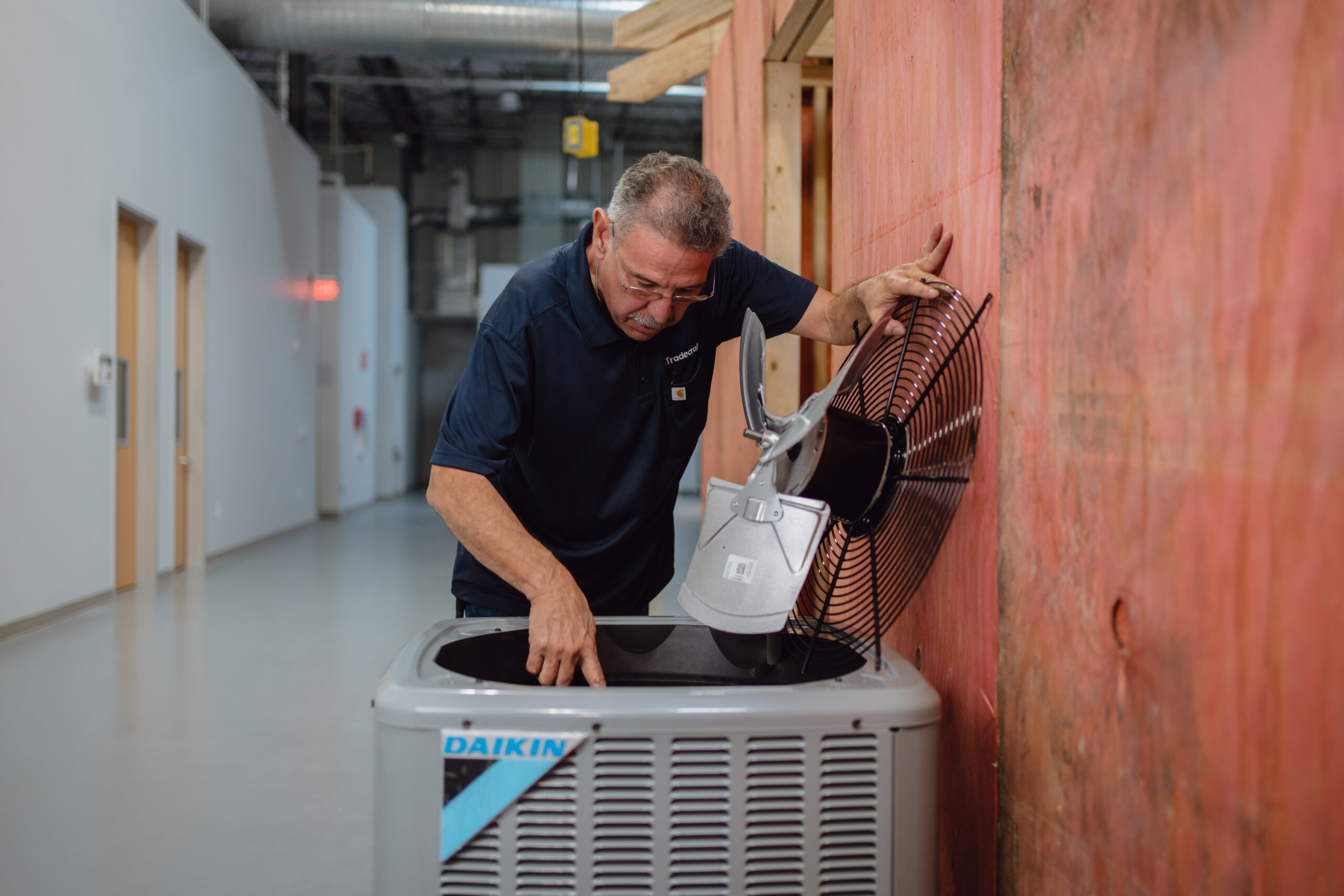
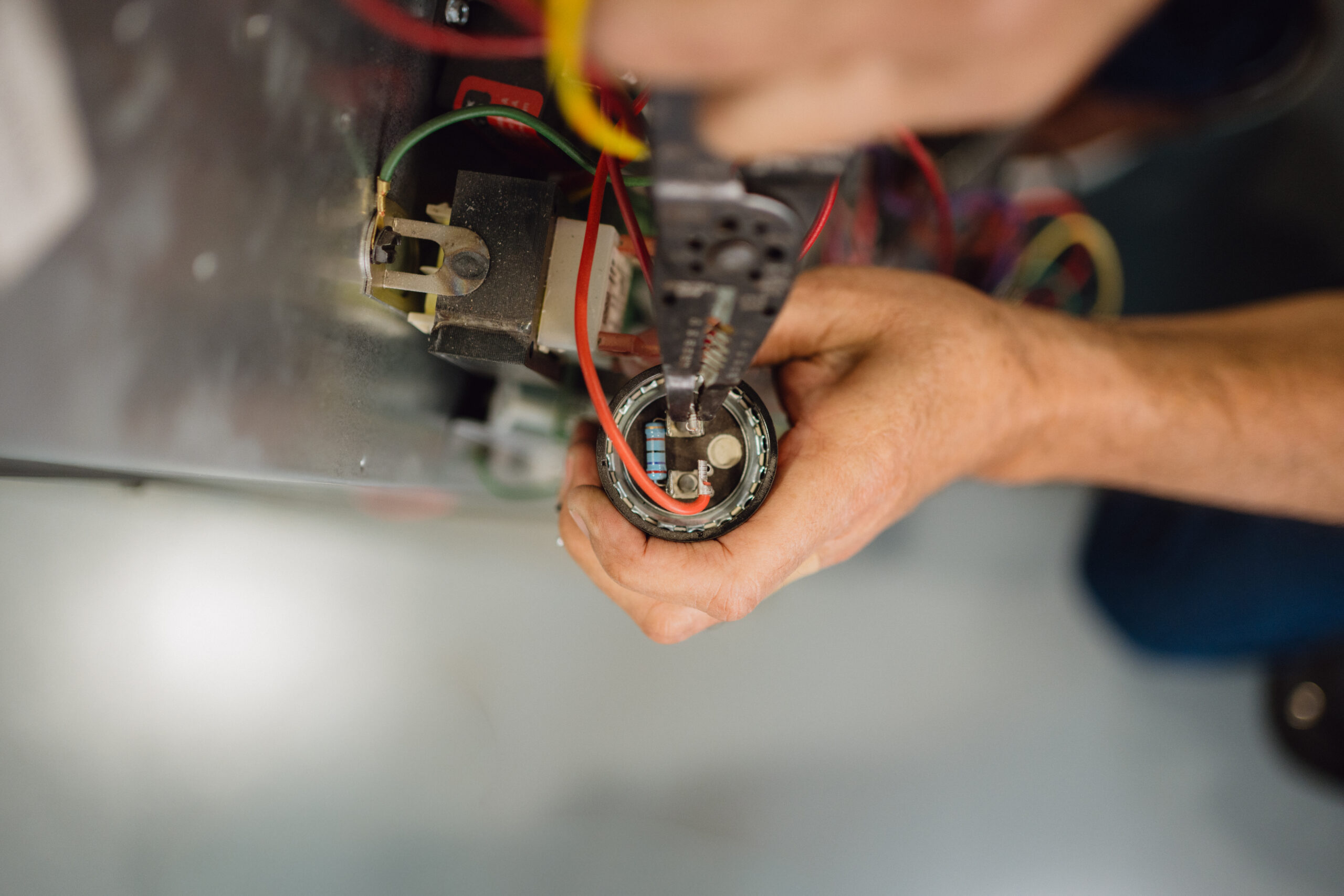
The first step for many people is choosing an HVAC school that teaches more than theory. HVAC is a hands-on trade. You can learn terminology and system concepts from a textbook, but eventually you have to work with the equipment. A strong HVAC trade school should give students opportunities to understand heating and cooling systems while also practicing installation, maintenance, electrical testing, refrigeration concepts, and troubleshooting.
Those systems also are not becoming simpler. Modern HVAC technicians may work with electrical components, refrigerants, airflow, computerized controls, energy-efficient equipment, heat pumps, and increasingly sophisticated climate-control technology.
When comparing HVAC schools, one of the best questions you can ask is how much time you will actually spend in the lab. A school may describe itself as "hands-on," but that does not always tell you much. Find out how many hours students spend working with tools and equipment and what types of systems they train on.
At Tradecraft, more than 70% of the HVAC program is spent hands-on. Students train in a 38,000-square-foot facility in San Antonio and work with professional tools and equipment while learning the fundamentals of the trade.
Why Tradecraft's Six-Week HVAC Program Is Different
Tradecraft's HVAC program is built around focus. Students attend Monday through Friday from 7:00 AM to 3:30 PM for six weeks, completing 240 clock hours of training. The schedule is intentionally structured more like a working day than a traditional college schedule. Instead of stretching introductory HVAC training across multiple semesters, the program concentrates on the skills and concepts students need to begin preparing for work in the field.
Students start with safety, tool identification, and jobsite fundamentals before moving deeper into HVAC systems, refrigeration, electrical principles, installation, maintenance, and troubleshooting. The program is designed for beginners, so previous professional HVAC experience is not required.
The six-week format does not mean you will learn everything there is to know about HVAC in six weeks. No legitimate program should make that promise. HVAC professionals continue learning throughout their careers. The goal is to give students a practical foundation so they can enter the field sooner and continue developing their skills through real-world experience.
Why EPA 608 Certification Matters in HVAC
Anyone planning to work with refrigerants should also understand EPA Section 608 certification. Federal regulations require technicians who perform certain types of work involving regulated refrigerants to hold the appropriate EPA Section 608 certification. That makes EPA 608 preparation an important part of HVAC training.
When comparing HVAC schools, ask whether EPA 608 preparation is included in the program or treated as a separate add-on. At Tradecraft, students are prepared for the EPA Section 608 certification examination as part of the HVAC program, helping them take another important step toward entering the field.
What Are the Texas Requirements for HVAC Technicians?
Texas has its own rules for people working in the air conditioning and refrigeration industry. The Texas Department of Licensing and Regulation regulates HVAC contractors and technicians in the state. Someone assisting a licensed air conditioning and refrigeration contractor may need to register or qualify as a technician and work under the supervision of a licensed contractor.
That is an important distinction, because completing HVAC school does not automatically make someone an independently licensed HVAC contractor. Trade school provides foundational training. Field experience comes next. Over time, technicians can continue building documented experience, earning credentials, and pursuing additional licensing opportunities if that is where they want their career to go.
Where Can an HVAC Career Take You?
Starting an HVAC career does not mean choosing one job title for the rest of your working life. The field offers several directions depending on your interests, experience, certifications, and the type of systems you enjoy working with. At Tradecraft, students can begin building that foundation in just six weeks and 240 clock hours. That does not make someone an experienced HVAC technician overnight, but it can provide the hands-on training needed to begin pursuing entry-level opportunities sooner.
From there, real-world experience becomes a major part of career growth. Some technicians focus on residential installation or service, while others move into commercial HVAC, refrigeration, facilities maintenance, or more specialized technical work. With additional experience, HVAC professionals may eventually advance into lead technician roles, supervision, service management, estimating, sales, contracting, or business ownership.
The six-week program is the starting point. The skills, experience, and opportunities you build afterward can continue shaping your HVAC career for years.
Why Choose Tradecraft for HVAC Training in San Antonio?
Tradecraft's HVAC program was created for students who want to start learning the trade without spending years working through unrelated coursework. In six weeks, students complete 240 hours of focused HVAC training, with more than 70% of that time spent hands-on. The program includes OSHA 10 safety training, EPA 608 preparation, practical HVAC instruction, and career-readiness support designed to help students prepare for the next step after graduation.
Students also learn from experienced trade professionals and train with equipment designed to reflect the types of systems and tools they may encounter in the field. The goal is not to make six weeks sound like the end of the journey. It is the start of one.